Ceramic Crowns
Royersford Dentist Offering Ceramic Crowns In Royersford, Pottstown, Phoenixville, Collegeville, And Surrounding Communities.


Royersford Dentist Offering Ceramic Crowns In Royersford, Pottstown, Phoenixville, Collegeville, And Surrounding Communities.

At the office of Royersford Dental Health, we combine modern materials with years of clinical experience to restore damaged teeth in ways that look natural and last. Our approach emphasizes careful diagnosis, thoughtful planning, and materials chosen to meet both functional needs and cosmetic goals. Ceramic crowns are one of the most versatile restorative options we provide because they can strengthen a tooth while preserving a lifelike appearance.
Teeth are extraordinarily strong, but they are still vulnerable to decay, fractures, and the cumulative effects of wear. When a tooth has lost significant structure — whether from large cavities, previous restorative work, or injury — a filling alone may not provide the support needed for reliable long-term function. A crown rebuilds the tooth from the outside in, restoring shape, strength, and chewing efficiency while protecting the remaining tooth substance.
Choosing a crown is a decision based on the tooth’s condition and the goals for that tooth. We recommend full-coverage restorations when the remaining natural tooth structure is insufficient to support a filling, when a tooth is cracked or broken, or when previous restorations have failed. Crowns are also the standard solution for teeth that have received root canal therapy, because they help distribute forces and reduce the risk of future fracture.
Another common reason to place a crown is to restore support to an implant. When a missing tooth is replaced with a dental implant, the crown that sits on top completes the replacement and must be designed to withstand the forces of biting and chewing. Crowns are used to anchor bridges as well, providing the full-coverage support needed for multi-unit restorations.
Beyond strength and protection, crowns offer predictable ways to address cosmetic concerns. A crown can correct an undersized or misshapen tooth, mask a deeply stained tooth that does not respond to whitening, or harmonize the size and shape of teeth to improve overall smile balance. Each recommendation we make begins with a thorough exam and discussion of your priorities.
While tooth-colored fillings restore minor damage, they have limits when structural loss is extensive. A crown surrounds the entire tooth and can restore the original contours and contact points with adjacent teeth — critical elements for healthy chewing and long-term periodontal health. For people who grind or clench, crowns made from durable ceramic materials can offer enhanced resistance to wear compared with traditional tooth-colored options.

All-ceramic crowns have evolved substantially over the past two decades. Modern ceramics provide a combination of strength, translucency, and polishability that closely replicates the optical qualities of natural enamel. For patients who prioritize a seamless look—especially on visible front teeth—ceramic crowns often deliver the most natural results because they interact with light in a way similar to a real tooth.
Because ceramic restorations are metal-free, they avoid certain aesthetic compromises associated with metal-based crowns, such as the dark lines that can sometimes appear at the gumline over time. Ceramics are also biocompatible with soft tissues, which helps maintain healthy-looking gums around restored teeth. In many cases, a ceramic crown can be fabricated with a thinner profile, preserving more of the natural tooth during preparation.
Today's ceramic options include materials designed for strength in high-load areas as well as those engineered for maximum translucency where appearance is the primary concern. These advancements mean patients no longer have to choose strictly between durability and aesthetics; instead, we can select a material tailored to each tooth's function and the patient's cosmetic goals.
Stain resistance and color stability are additional benefits. High-quality ceramics resist the discoloration that can affect some other materials, helping crowns maintain their original appearance for many years when combined with good home care and regular professional maintenance.
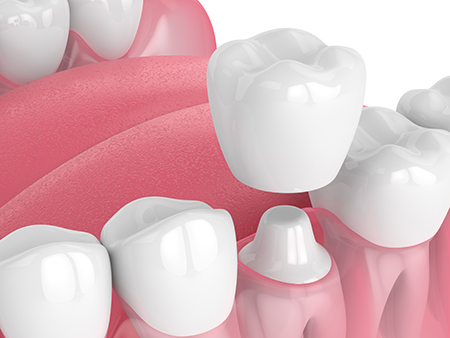
The process of receiving a ceramic crown begins with a careful assessment of the tooth and surrounding structures. We evaluate bite relationships, gum health, and neighboring teeth to create a plan that balances longevity with appearance. Digital imaging and intraoral photography often play a role in designing a restoration that fits harmoniously with your smile.
Once the tooth is prepared, we capture precise impressions — frequently using digital scanning — so the crown can be crafted to exacting standards. Many ceramic crowns are now milled using computer-aided design/computer-aided manufacturing (CAD/CAM) systems, which provide excellent fit and consistency. Whether the crown is produced in-house or at a trusted lab, quality control is focused on margins, contacts, and occlusion to reduce the need for adjustments.
At the try-in stage, we evaluate the crown for color match, contour, and bite. Small refinements are common and expected; our goal is to ensure the crown integrates functionally and visually. Once cemented, a properly fitted crown should feel natural, restore effective chewing, and protect the remaining tooth structure for the long term.
Not all ceramics are the same, and selecting the right material depends on where the crown will be placed and how it will be used. For example, lithium disilicate provides an excellent blend of esthetics and strength and is commonly used for front and premolar crowns. Zirconia-based materials offer exceptional durability for molars and areas of heavy chewing stress while recent generations of translucent zirconia also provide improved esthetics.
Some restorations are monolithic — milled from a single block of ceramic — offering maximum strength and minimal risk of chipping. Others use layered or veneered ceramics to prioritize lifelike translucency and surface texture in highly visible zones. We consider opposing teeth, bite forces, and any parafunctional habits (such as grinding) when recommending a material.
Our treatment planning balances the clinical requirements with cosmetic expectations. We discuss the advantages of each ceramic family and explain why a given material is the right choice for the tooth in question. This collaborative approach helps ensure predictable, long-lasting results that meet both practical and aesthetic needs.
Lithium Disilicate Porcelain Crowns
Leucite Reinforced Pressable Porcelain Crowns
Solid or Monolithic Zirconia
High Translucent Zirconia.
With multiple types of all-ceramic crowns available, choosing the right material is a clinical decision guided by function, location, and esthetic goals. Our team evaluates each case on its own merits and recommends the option that best supports long-term oral health and a pleasing appearance.

Our practice emphasizes individualized care: every crown is planned with attention to the patient’s bite, gum architecture, and smile proportions. We combine advanced imaging, careful laboratory communication, and clinical expertise to create restorations that perform well and blend with the rest of the dentition. Minimizing unnecessary tooth reduction and preserving healthy structure are always priorities during preparation.
Communication is an important part of the process. Before any treatment begins, we review the clinical findings, outline the proposed sequence of care, and explain the rationale behind material recommendations. Patients are encouraged to share their aesthetic preferences and functional concerns so we can tailor the restoration appropriately.
Post-placement, routine recall visits and professional cleanings help ensure the restoration integrates successfully with surrounding tissues and continues to function as intended. With thoughtful planning and attentive follow-up, ceramic crowns can provide reliable service and a natural, enduring appearance.
In summary, ceramic crowns are a modern solution for strengthening, protecting, and beautifying damaged teeth. They combine the advantages of metal-free construction with advances in strength and esthetics, allowing us to match function with a lifelike appearance. If you have questions about whether a ceramic crown is right for you, please contact us for more information. Our team is happy to explain the options and help you make an informed decision.

A ceramic crown is a full-coverage restoration fabricated from tooth-colored ceramic materials to rebuild a damaged or weakened tooth. These crowns are designed to restore shape, strength and chewing function while closely matching the optical characteristics of natural enamel. Because they are metal-free, ceramic crowns are often selected when a lifelike appearance is a priority.
Ceramic crowns are recommended when a tooth has lost substantial structure from decay, fracture or large existing restorations that cannot be predictably repaired with a filling. They are also the standard restoration for teeth that have undergone root canal therapy or when a crown is needed to complete an implant or support a bridge. The decision to place a crown is based on clinical evaluation, functional needs and the patient’s aesthetic goals.
The process begins with a careful clinical exam that includes evaluation of the tooth, gum health and bite relationships, often supported by digital imaging and intraoral photography. When a crown is indicated, the tooth is prepared to create an ideal shape and margin for the restoration, and precise impressions are captured using digital scans or conventional techniques. Many crowns are now fabricated with CAD/CAM systems, which can produce highly accurate restorations whether milled in-house or sent to a trusted dental laboratory.
At the try-in stage we assess color match, contour and occlusion and make small refinements as needed prior to final cementation. Once the crown is permanently placed the restoration is checked for comfortable bite and natural feel, and follow-up appointments are scheduled to monitor integration with surrounding tissues. Our team explains post-placement care and addresses any questions so patients understand how to protect their new restoration.
Modern ceramic crowns are available in several families including lithium disilicate, leucite-reinforced porcelain and zirconia, each offering a unique balance of strength and esthetics. Lithium disilicate is prized for its translucency and is commonly used for front and premolar crowns, while zirconia provides exceptional durability suited for molars and high-load areas. Some restorations are monolithic, milled from a single block for maximum strength, while others are layered or veneered to enhance surface texture and lifelike translucency.
Material selection depends on the tooth’s location, opposing dentition and the patient’s smile goals; newer high-translucency zirconia options narrow the gap between strength and appearance. Ceramics also differ in polishability and stain resistance, factors that influence long-term color stability and maintenance. Your dentist will explain the advantages of each material and recommend the option that best matches functional demands and esthetic priorities.
Ceramic crowns are suitable for both anterior and posterior teeth, but the choice of ceramic and design considerations differ by location. For visible front teeth, materials with excellent translucency and surface characterization are preferred to produce a seamless, natural look. For back teeth that endure heavy chewing forces, stronger ceramic options such as solid zirconia or reinforced lithium disilicate are often recommended to resist wear and fracture.
In many cases a hybrid approach is used: selecting a highly esthetic ceramic for visible zones and a more robust ceramic where strength is the primary concern. The clinician evaluates opposing teeth, bite forces and any parafunctional habits like grinding to choose a material and design that balance durability with appearance. This tailored approach helps ensure predictable function and a pleasing smile across the entire arch.
The lifespan of a ceramic crown varies with material, location, oral habits and the quality of the underlying tooth preparation and restoration. Well-made ceramic crowns commonly last a decade or longer, and many provide reliable service for 10 to 15 years when placed and maintained properly. Advances in ceramic strength and bonding techniques have improved durability, but individual outcomes depend on how the restoration is used and cared for over time.
Factors that influence longevity include oral hygiene, the presence of gum disease, bite forces and habits such as clenching or chewing hard objects. Accurate fit, careful occlusal adjustment and regular professional maintenance also play important roles in preventing complications. Routine dental visits allow the team to monitor the crown and address minor issues before they progress.
Maintaining a ceramic crown starts with excellent daily oral hygiene: brush twice daily with a soft-bristled brush and fluoride toothpaste, and floss once daily to clean the crown margins and adjacent teeth. Avoid using the restored tooth to open packages or bite into very hard substances, which can place excessive stress on the restoration. Limiting acidic or highly staining foods and beverages helps preserve the crown’s appearance, although high-quality ceramics are generally stain-resistant.
Regular professional cleanings and checkups are essential to monitor the health of the gum tissue and the integrity of the crown margins. If you grind or clench, a custom night guard can protect the crown from excessive wear and reduce the risk of fracture. Promptly report any persistent sensitivity, looseness or changes in bite so adjustments can be made before more significant problems develop.
Yes, ceramic crowns are commonly used to restore dental implants and to complete bridgework, and they provide a lifelike final restoration when combined with appropriate abutments or supporting teeth. On an implant the crown attaches to an abutment that connects to the implant fixture beneath the gum, and the crown must be designed to manage occlusal forces and allow for proper hygiene around the implant. For bridges, crowns on adjacent teeth are used as retainers to support one or more pontics, restoring function and aesthetics across a gap.
Successful implant or bridge restorations require careful planning of occlusion, hygiene access and material selection so that the final prosthesis performs reliably. Laboratory communication and precise impressions or digital scans help ensure that crowns fit accurately and distribute forces appropriately. Follow-up care and routine maintenance are essential to protect the supporting structures and prolong the life of the restoration.
Ceramic crowns are predictable restorations, but like all dental treatments they carry some risks, including sensitivity after preparation, marginal leakage if cementation is inadequate, and the potential for chipping or fracture especially with layered ceramics. Gum irritation or inflammation can occur if margins are poorly adapted or oral hygiene is insufficient, and underlying decay can develop if the restoration’s seal is compromised. Careful diagnosis, precise preparation and meticulous cementation reduce these risks significantly.
If a complication arises it is often manageable with conservative measures such as occlusal adjustment, repair of a chipped margin or replacement of a poorly fitting crown. In cases of recurrent decay or structural failure the crown may need to be removed and the tooth reassessed for alternative treatment. Regular dental evaluations allow early detection and timely correction of issues to protect oral health.
Most patients experience minimal discomfort during crown preparation because local anesthesia is used to numb the treatment area and make the procedure comfortable. The preparation and impression steps are typically well tolerated once anesthesia has taken effect, and skilled clinicians take care to work efficiently and gently to minimize patient stress. When anxiety is a concern, the dental team can discuss options to improve comfort and reduce apprehension during treatment.
After the procedure it is common to have mild soreness or sensitivity for a few days as the surrounding tissues recover, and over-the-counter analgesics usually control this discomfort. If sensitivity or pain persists beyond the expected healing period it should be evaluated promptly to rule out occlusal issues or other complications. Clear post-operative instructions and follow-up care help ensure a smooth recovery and successful integration of the crown.
When patients exhibit bruxism or clenching habits the clinical team evaluates wear patterns, opposing dentition and bite relationships to choose materials and designs that offer greater durability. In many cases a high-strength ceramic such as monolithic zirconia is recommended for posterior restorations because it resists fracture under heavy loads while still providing an acceptable appearance. The decision also considers whether opposing teeth are natural enamel, restorations or implants, as this influences material compatibility and wear behavior.
Beyond material selection, treatment planning often includes protective strategies such as occlusal adjustments and a custom night guard to reduce destructive forces on the restoration. The office of Royersford Dental Health emphasizes a collaborative approach, discussing the risks and protective measures with each patient so the chosen solution aligns with functional needs and long-term goals. Regular monitoring allows the team to modify the plan if wear or symptoms change over time.

Proudly Servicing Patients In:
Royersford, Phoenixville, Collegeville, Pottstown, Sanatoga and Limerick.
Services