CEREC
Royersford Dentist Offering CEREC In Royersford, Pottstown, Phoenixville, Collegeville, And Surrounding Communities.


Royersford Dentist Offering CEREC In Royersford, Pottstown, Phoenixville, Collegeville, And Surrounding Communities.


CEREC represents a shift away from multi-appointment restorations toward a workflow that respects your time without compromising quality. Patients appreciate leaving the office with a finished crown or onlay instead of a temporary, which reduces the hassle of multiple visits and the uncertainty that comes with waiting for a lab-fabricated restoration. Clinically, it streamlines communication and reduces the number of steps where something could go off-spec.
Beyond convenience, the digital nature of the CEREC system supports predictability. High-resolution scans and computer-guided design let clinicians plan each restoration with a level of detail that’s difficult to achieve using traditional impressions alone. That precision helps produce restorations that fit well, feel comfortable, and preserve as much healthy tooth structure as possible.
For many patients, speed is only part of the appeal — the aesthetic and functional results are equally important. CEREC uses tooth-colored ceramic materials that mimic natural enamel, providing restorations that blend visually while standing up to the demands of daily use. When executed by an experienced team, same-day crowns can offer a lifelike, long-term solution.
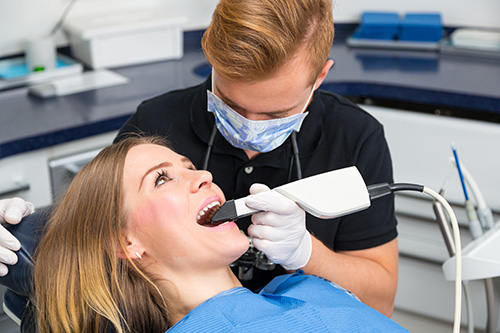
A single visit for a crown or inlay begins with a careful assessment and preparation of the tooth, followed by a digital scan instead of a traditional putty impression. The scan captures a detailed 3D model of the prepared tooth and surrounding bite, which the dentist and design software use to shape a restoration tailored to your mouth. The result is a custom fit created from the first scan, not an approximation from separate impressions.
Once the design is finalized, the data is sent to an on-site milling unit that carves the restoration from a solid ceramic block. This chairside fabrication usually takes only a short time, during which the team ensures the restoration’s contour and shade harmonize with adjacent teeth. After minor adjustments and polishing, the restoration is bonded permanently in place during the same appointment.
The streamlined approach removes several traditional steps—no temporary crown, no return visit to receive a lab-made final restoration—and reduces the total time you spend in treatment. For patients balancing work, family, or other commitments, this efficient pathway makes essential restorative care more accessible and less disruptive.
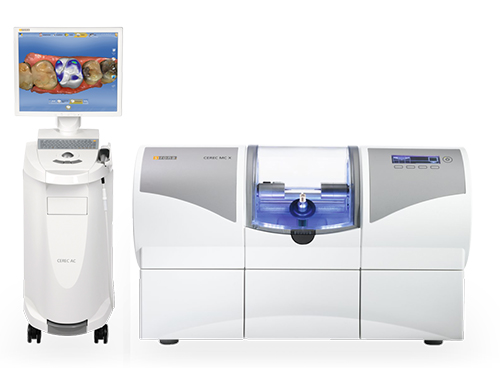
The core of the CEREC process is a tightly integrated digital workflow that moves from intraoral capture to computer-aided design (CAD) and computer-aided manufacturing (CAM). An ergonomically designed intraoral scanner records the geometry of the teeth and bite in high detail, eliminating the need for messy impression materials. Those digital images create a virtual model used to design the restoration with millimeter accuracy.
Once the design is approved, a chairside milling unit translates the digital plan into a physical restoration by precisely cutting a ceramic block. Modern millers can reproduce complex occlusal anatomy and fine margins that promote a good seal and longevity. After milling, the restoration is refined, stained or glazed if needed, and polished to achieve a natural luster before final placement.
This closed-loop digital approach minimizes human error and shortens turnaround time. Because the entire process occurs under one roof, clinicians can evaluate fit and aesthetics immediately and make adjustments on the spot, rather than relying on back-and-forth communication with an external lab.

CEREC restorations are milled from high-strength ceramics chosen for their combination of aesthetic properties and functional resilience. These materials are engineered to mimic the translucency and color of natural teeth while resisting wear and staining. Because ceramics are biocompatible and bond reliably to tooth structure, they are an excellent choice for patients seeking a conservative, attractive restoration.
When placed with proper technique and maintained with routine oral hygiene, ceramic crowns and onlays can provide long-lasting service. The longevity of any restoration depends on factors like bite forces, oral hygiene, and the health of adjacent teeth and gums. A well-designed and well-fitted ceramic restoration reduces the risk of recurrent decay at the margin and helps preserve the remaining tooth.
Clinicians also appreciate the reparability of modern ceramic systems. In certain situations, small adjustments or repairs can be performed without removing the entire restoration, making clinic-based solutions more flexible and patient-friendly over time.
In summary, CEREC combines digital scanning, advanced design software, and on-site milling to deliver high-quality ceramic restorations in a single appointment. The technology supports precise fit, natural-looking results, and a simplified treatment experience that many patients find valuable. If you’re interested in learning whether a same-day crown, inlay, or onlay is right for you, please contact us for more information.

CEREC is a chairside CAD/CAM system that lets dentists design, mill, and place ceramic restorations in a single appointment. The process begins with an intraoral digital scan that captures detailed 3D images of the prepared tooth and surrounding teeth. Those images are used by computer software to design a precise restoration that is then sent to a milling unit to fabricate the final piece from a solid ceramic block.
Once the restoration is milled, the dentist adjusts the fit and shade as needed before bonding it permanently to the tooth. Because the entire workflow is completed in the office, patients avoid temporary crowns and multiple visits. The result is a customized, high-quality ceramic restoration delivered the same day.
Same-day CEREC restorations offer convenience by consolidating preparation, design, and placement into one visit, eliminating the need for temporary restorations and return appointments. The digital workflow reduces discomfort associated with traditional impression materials and streamlines communication between the dentist and the milling system. Patients often appreciate the time savings and the ability to leave with a finished restoration on the same day.
In addition to convenience, CEREC restorations are made from durable, biocompatible ceramics that provide a natural appearance and strong functional performance. The digital design process enhances precision, which helps improve the fit and longevity of the restoration. Many patients find the combination of aesthetics, strength, and efficiency especially appealing for single crowns, inlays, and onlays.
CEREC technology is commonly used to fabricate ceramic crowns, inlays, onlays, and veneers as well as certain implant restorations when appropriate. The system is particularly well suited for single-unit restorations where a precise fit and natural appearance are priorities. Because restorations are milled from solid ceramic blocks, they can be shaded and polished to closely match adjacent teeth.
Not every restorative need requires CEREC, but the platform covers a wide range of common procedures and can often replace multi-visit laboratory workflows. Your dentist can explain whether a CEREC restoration is suitable for your specific situation based on the size of the restoration, the condition of the tooth, and aesthetic goals. For more complex prosthetic cases or specialized materials, a lab-fabricated restoration may still be recommended.
Many patients are excellent candidates for CEREC crowns, particularly people needing single-tooth restorations, inlays, or onlays who value a same-day solution. Good candidates typically have sufficient remaining tooth structure and no uncontrolled active infection in the area being treated. Your dentist will perform a clinical examination and, if needed, take radiographs to determine whether CEREC is an appropriate option for your tooth.
Certain conditions, such as extensive tooth breakdown, complex bite issues, or large multi-unit bridges, may require alternative approaches or additional planning. Patients who grind their teeth or have heavy occlusal forces may still receive CEREC restorations, but the dentist may recommend protective measures such as a night guard to help preserve the work. A personalized evaluation is the best way to establish candidacy and ensure a predictable outcome.
A typical CEREC appointment begins with a clinical exam and local anesthesia if needed to ensure comfort during tooth preparation. The dentist prepares the tooth by removing decay or old restoration material and shaping the tooth for the final restoration, then captures a digital impression using an intraoral scanner. The scanned data is used to design the restoration on-screen, allowing both precision and the opportunity for the dentist to fine-tune anatomy and contacts.
After the design is approved, the milling unit fabricates the restoration while you remain in the operatory, often taking less than an hour depending on complexity. The dentist then adjusts, stains or polishes as necessary, and bonds the ceramic piece to the tooth for the final fit. Before leaving, the dentist reviews home care instructions and schedules routine follow-up as appropriate.
CEREC crowns made from strong dental ceramics can be very durable and perform similarly to many traditional lab-fabricated crowns when properly indicated and placed. Material selection, proper tooth preparation, precise fit, and occlusal management all contribute to long-term success. Regular dental checkups and good oral hygiene are important factors that influence the longevity of any restoration.
Like all restorations, ceramic crowns may eventually require repair or replacement due to wear, fracture, or changes in the surrounding teeth and gums. When placed and maintained appropriately, however, CEREC restorations offer excellent strength and esthetics that meet the needs of many patients. Your dentist will discuss expected performance and maintenance based on your individual oral health and habits.
Caring for a CEREC restoration is similar to caring for natural teeth: maintain daily brushing with a fluoride toothpaste and flossing to keep margins clean and reduce the risk of recurrent decay. Avoiding very hard or sticky foods immediately after placement can help protect the restoration during the initial bonding period. If you clench or grind your teeth, your dentist may recommend a night guard to minimize wear and prevent chipping over time.
Schedule regular dental visits for professional cleanings and examinations so the dentist can monitor the restoration and surrounding tissues. Report any sensitivity, unusual bite, or chipping to the office promptly so adjustments can be made if needed. With routine care and professional oversight, most CEREC restorations provide long-lasting function and esthetics.
Yes, CEREC restorations can be closely matched to your natural tooth color using a selection of ceramic materials and in-office staining or glazing techniques. The digital design software allows the dentist to visualize and refine shade and anatomy before milling, and the final piece can be characterized to blend with adjacent teeth. Skilled shade selection and surface finishing are important to achieving a seamless appearance.
Because lighting and individual tooth anatomy affect perceived color, the dentist will evaluate shade under natural light and may make small adjustments during final polishing or glazing. In many cases, CEREC restorations achieve excellent cosmetic results that are difficult to distinguish from natural enamel. Communicate any aesthetic preferences to your dentist during the planning stage so the final restoration meets your expectations.
CEREC is a powerful technology, but it is not a universal solution for every restorative need; large multi-unit bridges and certain complex cases may still require traditional laboratory processes or specialized materials. Risks are similar to other crown procedures and can include sensitivity, fracture, or failure of the bonding interface if oral conditions are not optimal. Proper case selection, meticulous technique, and patient compliance with oral hygiene reduce these risks substantially.
Occasionally, adjustments are needed after placement to refine the bite or contacts, and minor repairs may be required over time if chipping occurs. Patients with heavy parafunctional habits should discuss protective strategies with their dentist to prolong restoration life. Your clinician will review potential limitations and tailor recommendations to your specific oral health situation during the consultation.
At Royersford Dental Health we incorporate CEREC technology to offer patients same-day ceramic restorations that combine precision, comfort, and attractive esthetics. Using digital impressions and in-office milling allows our team to reduce treatment time and eliminate the need for temporary crowns, which improves convenience and shortens the overall treatment process. The technology supports our commitment to modern, patient-focused care by enhancing accuracy and streamlining workflows.
Beyond efficiency, CEREC helps our clinicians deliver high-quality restorations that are customized for each smile and placed with predictable fit. We pair the technology with clinical experience to evaluate candidacy, select appropriate materials, and provide personalized aftercare advice. Patients interested in same-day crowns or restorations can discuss CEREC options during a consultation at our Royersford office to determine the best treatment pathway for their needs.

Proudly Servicing Patients In:
Royersford, Phoenixville, Collegeville, Pottstown, Sanatoga and Limerick.
Services