Dental Fillings
Royersford Dentist Offering Dental Fillings In Royersford, Pottstown, Phoenixville, Collegeville, And Surrounding Communities.


Royersford Dentist Offering Dental Fillings In Royersford, Pottstown, Phoenixville, Collegeville, And Surrounding Communities.

Dental decay is a common, preventable condition that can undermine a tooth’s strength and comfort. When decay progresses beyond the enamel and into deeper tooth structure, a restoration is needed to rebuild form and function. A properly placed filling stops active decay, restores chewing ability, and helps protect the tooth from further damage.
Fillings are among the most frequently performed restorative procedures because they address one of dentistry’s most persistent problems. Advances in dental materials and techniques mean restorations today are more conservative and more visually discreet than in the past, preserving more natural tooth structure while delivering reliable performance.
At Royersford Dental Health, we focus on clear communication and careful technique so patients understand why a filling is recommended and what to expect during treatment. Our approach balances modern materials with proven clinical principles to produce results that are comfortable, durable, and natural-looking.
Humans have attempted to treat dental damage for millennia; archaeological finds show primitive repairs long before modern dentistry existed. Over time, materials and methods evolved—from simple fillings of ancient origin to the metal restorations that dominated much of the 19th and 20th centuries.
The dental landscape changed significantly as tooth-colored materials improved. Composite resins, improved ceramics, and adhesive bonding techniques have shifted the focus toward restorations that match a patient’s natural tooth shade while minimizing the removal of healthy enamel and dentin.
These contemporary options offer aesthetic benefits and, in many cases, strength and longevity comparable to older materials. That evolution has given clinicians more flexibility to choose the restoration best suited to each tooth’s situation and each patient’s goals.
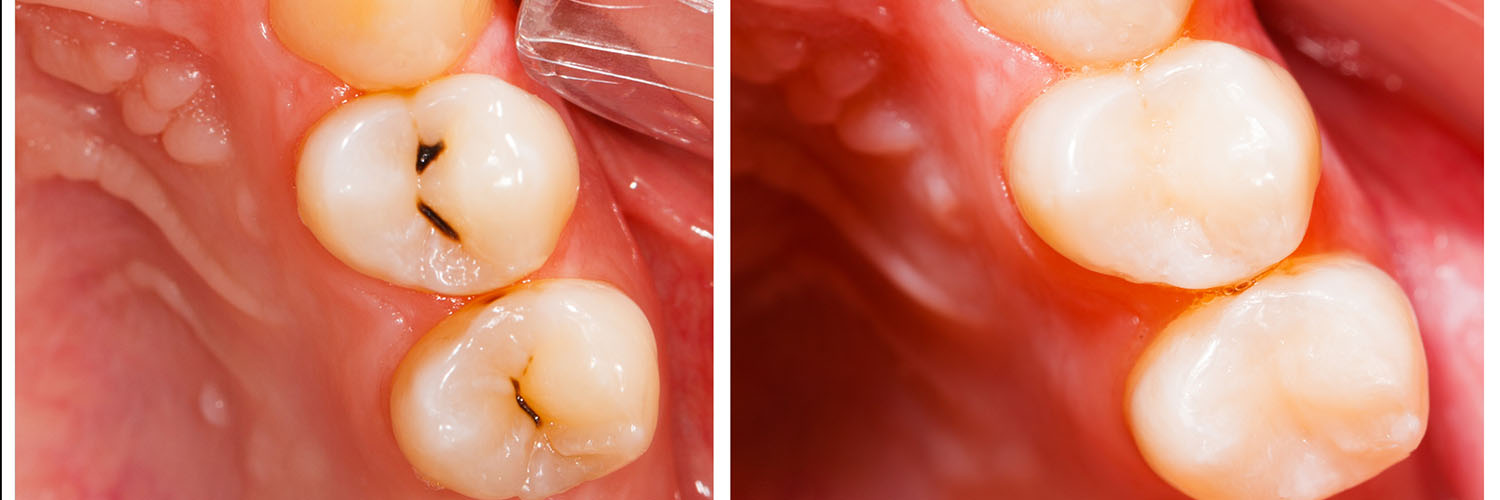
Choosing the right restorative material involves balancing strength, longevity, aesthetics, and how much healthy tooth structure must be removed. Modern dentistry offers a range of materials so your provider can tailor treatment to the size and location of the cavity, the tooth’s role in chewing, and cosmetic considerations.
Some materials bond to the tooth, helping seal against future leakage; others provide exceptional wear resistance for back teeth where chewing forces are greatest. The trend toward adhesive, tooth-colored options reflects both improved material science and patient preference for restorations that blend seamlessly with surrounding teeth.
We’ll explain the advantages and limitations of each option and recommend the restoration that best fits the clinical need while honoring your preference for appearance and longevity.
Composite resin restorations combine a durable resin matrix with fine filler particles to create a material that can closely match natural tooth color. These restorations are placed directly into the prepared cavity and bonded to the tooth, which helps preserve more healthy structure and can strengthen weakened areas.
Because composites are versatile and aesthetic, they are commonly used for front and back teeth. They may, however, require careful maintenance to minimize staining and wear over the years.
Amalgam is a time-tested material known for its durability and resistance to chewing forces. It has a long clinical history of reliable performance, particularly in large restorations on molars where strength is a priority.
Although less commonly selected for visible areas due to its metallic appearance, amalgam remains an effective option in specific clinical situations where longevity and robustness are primary concerns.
Glass ionomer materials bond chemically to tooth structure and release small amounts of fluoride over time, which can offer added protection to vulnerable areas. They are often chosen for restorations in baby teeth, for small fillings near the gumline, or when isolation is difficult.
Because glass ionomers are generally less wear-resistant than composites or ceramics, their use is targeted to situations where those properties matter less or where fluoride release is beneficial.
Ceramic restorations—fabricated outside the mouth and cemented into place—offer excellent aesthetics and resistance to staining. Inlays and onlays are ideal when a cavity is too large for a direct filling but the tooth does not require a full crown.
These indirect restorations can provide superior long-term wear characteristics and a very natural appearance when matched correctly to adjacent teeth.
Gold alloys remain one of the most durable and biologically compatible restorative materials available. They resist corrosion and wear and can last for decades when placed and cared for properly.
Gold is used less often today due to aesthetic preferences and cost considerations, but it remains a reliable option for certain posterior restorations where strength and tissue compatibility are priorities.
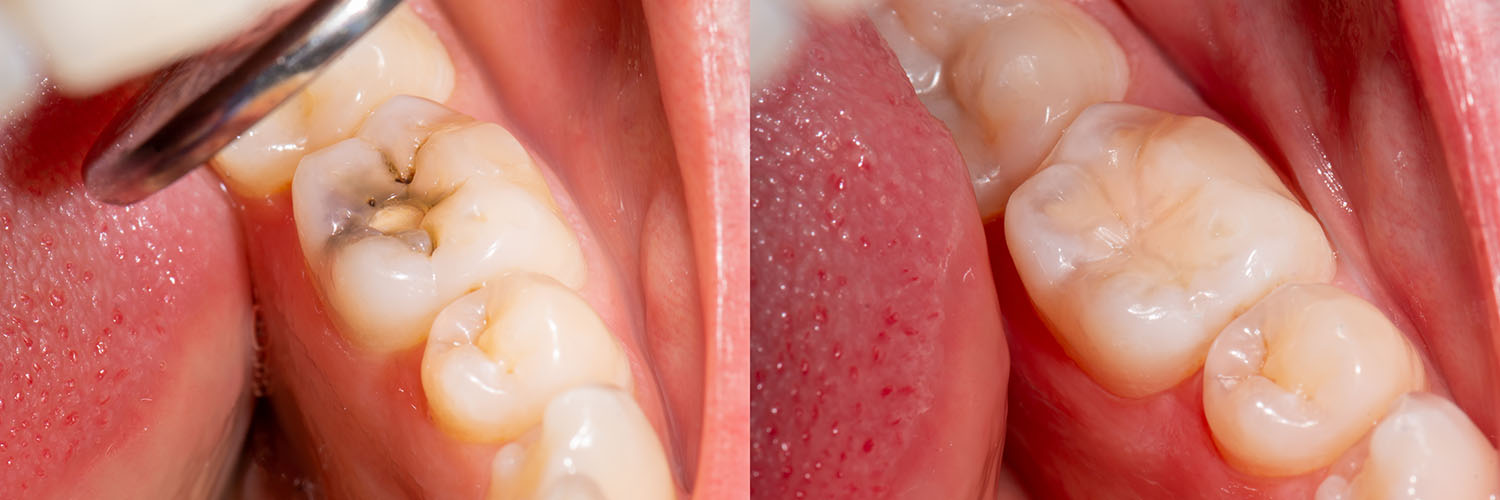
A thorough assessment begins with a visual exam and, when needed, radiographs to determine the extent of decay and the best restorative approach. Once a treatment plan is agreed upon, the clinical steps are straightforward but carefully executed to ensure a precise outcome.
>Your tooth will be isolated and the area comfortably anesthetized in most cases to prevent discomfort. Decay is gently removed using a drill, air abrasion, or a dental laser depending on the situation; the goal is to remove only diseased tissue while preserving healthy structure.
After preparation, the chosen material is placed and shaped to restore the tooth’s natural contours. For bonded fillings, layering and curing techniques ensure a secure bond and natural appearance. Indirect restorations require impressions or digital scans and a second visit for final cementation.
Throughout the procedure, care is taken to verify the fit and contact with neighboring teeth and to adjust the bite so that the restored tooth works comfortably with your natural chewing pattern.
Most patients resume normal activities shortly after a filling. Immediately after treatment, temporary numbness is common and should subside within a couple of hours. Protect the treated area until normal sensation returns to avoid accidental biting of the cheek or tongue.
It is normal for a restored tooth to feel slightly different at first. Minor high spots or brief sensitivity to temperature can occur as the tooth settles. If adjustments are needed, a brief follow-up appointment will quickly restore comfort and function.
Good oral hygiene—regular brushing, flossing, and routine dental visits—helps extend the life of any filling. Avoiding hard or excessively chewy foods right after treatment reduces the risk of damage while you settle in. Over time, all restorations may show wear or require replacement; regular checkups help catch those changes early.
For patients who experience dental anxiety, we discuss options to make visits more comfortable, including approaches to relaxation and, where appropriate, clinical sedation alternatives. Our priority is to provide care that is both gentle and effective.
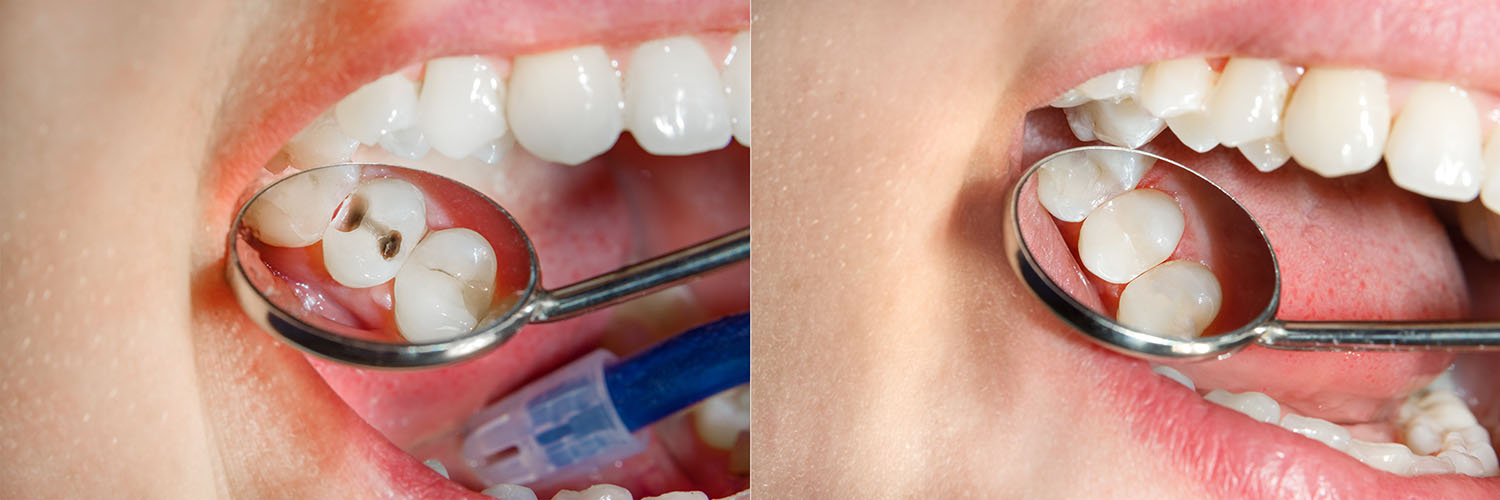
Fillings remain a cornerstone of restorative dentistry: they stop decay, restore function, and protect the long-term health of teeth. With modern materials and careful technique, most restorations are durable and visually unobtrusive, helping patients keep healthy, natural-looking smiles.
If you have concerns about a sensitive tooth, visible decay, or a filling that feels different, an examination will quickly clarify the situation and outline appropriate options. Early treatment preserves more tooth structure and simplifies care.
Royersford Dental Health is committed to delivering thoughtful, evidence-based restorative care. If you would like to learn more about dental fillings or discuss which option is best for your situation, please contact us for more information.
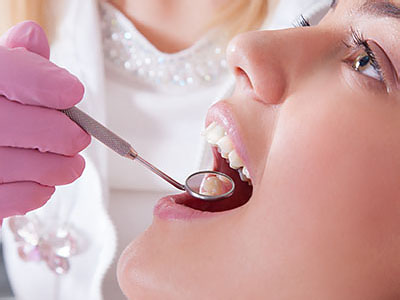
A dental filling is a restorative material used to repair a tooth damaged by decay or minor fracture and restore its normal shape and function. Fillings stop active decay by removing diseased tissue and sealing the cavity to prevent bacteria from reentering. They are indicated when decay has progressed beyond the enamel into dentin or when a small portion of the tooth has been lost due to wear or trauma.
Early detection makes fillings a conservative treatment because less healthy tooth structure needs removal compared with more extensive restorations. When decay is extensive or a tooth is significantly weakened, alternatives such as inlays, onlays, or crowns may be recommended instead. Your clinician will evaluate the tooth visually and with radiographs to determine whether a filling is the appropriate solution.
Selecting a filling material involves weighing aesthetics, strength, longevity, and how much healthy tooth structure must be removed to place the restoration. For front teeth or visible areas, tooth-colored composite resins or ceramic materials are often preferred for their ability to match natural enamel. For large restorations in back teeth where chewing forces are high, clinicians may favor materials known for superior wear resistance or choose an indirect restoration like a ceramic inlay or onlay.
Other clinical factors, such as the tooth's location, the extent of decay, moisture control during placement, and any history of allergy or sensitivity, also guide the decision. Your dentist will explain the advantages and limitations of each option and recommend a material that balances durability and appearance while preserving as much natural tooth as possible. Patient preference is taken into account when multiple clinically appropriate options exist.
A filling appointment begins with a thorough exam and, if needed, X-rays to assess the extent of decay and plan the restoration. The area is isolated and anesthetized when necessary so the procedure is comfortable; decay is then removed and the cavity prepared using rotary instruments, air abrasion, or lasers depending on the situation. For adhesive restorations, the tooth surface is treated with bonding agents and the material is placed in layers, shaped to restore natural contours, and cured with a light when applicable.
After the material is set, the dentist will trim and polish the restoration and check your bite to ensure the filled tooth contacts neighboring teeth correctly. If an indirect restoration is required, an impression or digital scan is taken and a temporary restoration may be placed while the lab-fabricated piece is made. Your dentist will give post-procedure instructions and schedule any follow-up needed to refine the fit or address sensitivity.
Most fillings are placed with local anesthesia to numb the tooth and surrounding tissues, which makes the procedure comfortable for the majority of patients. The choice to use sedation is based on patient anxiety, the complexity or length of the appointment, and medical considerations; simple fillings rarely require sedation beyond local anesthetic. For patients with dental fear or special medical needs, additional anxiolytic measures or monitored sedation may be discussed to improve comfort during treatment.
Your dental team will review your medical history and preferences before recommending any sedation option and will explain what to expect before, during, and after the appointment. Safety and monitoring are priorities when sedation is used, and clear instructions will be provided for arrival and post-treatment care. If you have concerns about numbness or sedation, mention them during your consultation so the team can tailor the experience to your needs.
The longevity of a filling depends on the material used, the size and location of the restoration, the patient’s bite forces, and daily oral habits such as grinding or chewing hard foods. Composite fillings commonly last many years when placed correctly and maintained, while ceramic and gold restorations can often provide long-term durability for larger restorations. Proper technique at placement and routine maintenance with regular dental checkups significantly influence how long any restoration will perform well.
Oral hygiene, the presence of gum disease, changes in adjacent teeth, and repeated decay at the margin of a filling can all shorten its useful life. Regular examinations allow your dentist to identify wear, marginal breakdown, or recurrent cavities early so that repairs or replacements can be timed to preserve tooth structure. Proactive care and prompt attention to changes in comfort or function help extend the service life of fillings.
Advances in composite resin technology and bonding techniques have greatly improved the strength and wear resistance of tooth-colored restorations, making them an excellent option for many situations. When bonded correctly, composites can reinforce the remaining tooth structure and provide a durable, esthetic result for both anterior and many posterior teeth. Amalgam has a long history of reliable performance in large posterior restorations, particularly where isolation is difficult, but composite options now offer comparable clinical results in many cases.
The best choice depends on the specific tooth, the extent of decay, and factors like moisture control during placement. Your dentist will review the pros and cons of each material for your situation and recommend what will offer the best combination of strength, longevity, and appearance. In some cases a ceramic inlay/onlay or a crown may be advised when the tooth requires greater structural support.
After a filling, maintain excellent oral hygiene by brushing twice daily with a fluoride toothpaste and flossing daily to reduce plaque accumulation at the restoration margins. Avoid hard, sticky, or highly chewy foods for the first 24 hours if the material requires time to fully set or if temporary adjustments are present; once set, normal eating can usually resume. If you notice any persistent sharpness when biting, unusual sensitivity, or a rough feeling on the filling, schedule a brief follow-up so the bite can be adjusted and small issues can be corrected.
Regular dental checkups and cleanings allow your dentist to monitor the condition of fillings and catch early signs of wear or marginal breakdown. Night guards or other protective appliances can be recommended if you grind or clench your teeth to help protect restorations. Consistent home care combined with periodic professional review helps fillings perform well for as long as possible.
It is common to experience mild, temporary sensitivity to temperature or pressure after a filling as the tooth adjusts to the restoration and any local anesthesia wears off. This sensitivity typically resolves within a few days to a few weeks, but if it persists or worsens, it may indicate high spots in the restoration, an incomplete bond, or deeper involvement of the tooth that requires additional treatment. Your dentist will evaluate ongoing sensitivity to determine whether a simple adjustment or further therapy is needed.
Allergic reactions to modern dental filling materials are rare, but they can occur; if you have a known material sensitivity, discuss it before treatment so appropriate alternatives can be selected. Proper placement technique and isolation during the procedure minimize complications, and follow-up appointments ensure the restoration is functioning comfortably. Prompt communication about any unusual symptoms helps the dental team address issues quickly and maintain oral health.
A filling is ideal for small to moderate cavities where enough healthy tooth structure remains to support a direct restoration, but when decay is extensive or a tooth has a large fracture, an indirect restoration such as an inlay, onlay, or crown may be a better long-term solution. Indirect restorations are fabricated outside the mouth and cemented in place, providing greater coverage and strength for teeth that have lost significant structure. Crowns are often recommended when the tooth needs full cuspal protection or when a root canal has left the tooth more brittle.
Your dentist will assess the remaining tooth structure, occlusion, esthetic needs, and long-term prognosis when advising between a filling and an indirect restoration. In many cases, choosing a more protective restoration up front preserves the tooth and reduces the risk of future failures. Diagnostic tools, tooth-colored options, and conservative design principles guide the choice to balance preservation with durability.
If you have a sensitive tooth, visible discoloration, or suspect recurrent decay, contact Royersford Dental Health to arrange an examination so the tooth can be evaluated and appropriate treatment recommended. During the visit we will perform a visual exam and take radiographs if needed to determine the extent of the problem and discuss restorative options that preserve tooth structure while restoring function. The team will explain what to expect during treatment and answer questions about materials, postoperative care, and follow-up.
Our office in Royersford, PA provides personalized, evidence-based restorative care and works to make appointments comfortable for patients of all ages. If you are experiencing pain, a change in how a tooth feels when you bite, or concerns about an existing filling, call the office to schedule a timely appointment so we can address the issue before it progresses. Early assessment often allows for more conservative treatment and better long-term outcomes.

Proudly Servicing Patients In:
Royersford, Phoenixville, Collegeville, Pottstown, Sanatoga and Limerick.
Services