Dentures
Royersford Dentist Offering Dentures In Royersford, Pottstown, Phoenixville, Collegeville, And Surrounding Communities.


Royersford Dentist Offering Dentures In Royersford, Pottstown, Phoenixville, Collegeville, And Surrounding Communities.

Modern dentistry offers a range of dependable ways to restore a missing tooth or a whole arch, and removable dentures remain a practical, time-tested choice for many people. While fixed solutions like implants and bridges are excellent options in appropriate cases, well-made dentures continue to deliver natural-looking results and meaningful improvements in everyday function.
At the office of Royersford Dental Health, we design and fabricate dentures with attention to fit, function, and appearance. Using high-quality materials and thoughtful craftsmanship, our team focuses on creating prosthetics that restore chewing ability, support facial contours, and help patients feel confident when they speak and smile.
We approach every denture case as an individualized process. Your oral health, any remaining teeth, and your personal goals guide the plan we develop together. Whether you need a partial denture to fill a few gaps or a full prosthesis for an entire arch, our priority is to provide a comfortable, predictable solution that suits your lifestyle.
Losing one or more teeth affects more than appearance. Gaps in the dental arch can alter how your bite distributes force, which in turn changes how you chew and can accelerate wear on neighboring teeth. Over time, the absence of teeth can also influence speech sounds and make some words harder to pronounce clearly.
Beyond function, tooth loss impacts facial support. Teeth help maintain the structure of the lips and cheeks; when they’re missing, surrounding tissues can settle inward, producing a sunken look that may age the face prematurely. Dentures restore that support by replacing the visual and structural presence of teeth.
There are also oral-health consequences to leaving significant gaps untreated. Adjacent teeth may drift into empty spaces, creating bite problems that complicate future restorative care. Addressing missing teeth earlier reduces the likelihood of progressive changes and helps preserve the long-term health of your mouth.
Choosing the right time to replace teeth depends on several factors, including the condition of remaining teeth, gum health, and your personal timetable. Our team will review these elements with you and recommend a timing and treatment path that balances immediate needs with long-term success.
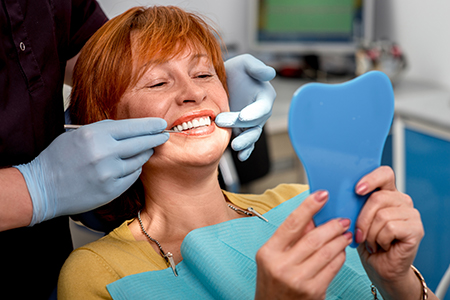
Dentures are removable dental appliances composed of artificial teeth set into a base that rests on the gums. They recreate the visible portion of teeth and provide the support necessary for everyday activities like eating and speaking. Dental prosthetics are fabricated to match your bite, facial proportions, and tooth color for a natural appearance.
Unlike fixed restorations that stay in place permanently, removable dentures are taken out for cleaning and overnight rest. This feature helps with hygiene and allows for thorough care of the gum tissues and any remaining natural teeth. Proper daily cleaning and occasional professional maintenance keep dentures performing well and reduce the risk of irritation or infection.
There are a number of denture styles to suit different clinical situations. Some are intended to replace just a few teeth, while others recreate a full arch. Advances in materials have produced lighter, more comfortable bases and teeth that look more lifelike than ever, improving both fit and cosmetic outcomes.
When planning denture treatment, the essential decision is whether to replace a limited number of teeth or an entire arch. Partial dentures are designed to integrate with the remaining dentition, often using clasps or precision attachments to stay stable during function. Full dentures replace all teeth in the upper or lower jaw and rely on intimate contact with the gums and underlying bone for retention.
Within these categories there are several important variations. For example, an immediate denture is placed right after extractions so the patient does not have to be without teeth during healing. A conventional denture is made after tissues have healed and stabilized, which can enhance fit. Overdentures rest on and gain extra support from remaining natural teeth or specially placed attachments.
Implant-assisted prostheses are another pathway: by securing a denture to strategically placed implants, retention and chewing efficiency can be substantially improved. While an implant-supported appliance still functions as a removable denture in many cases, the added stability changes how comfortably and confidently patients can eat and speak.
Complete dentures are crafted to replace an entire arch and are tailored to the contours of your mouth. Achieving a comfortable fit involves careful measurement, trial fittings, and attention to how the prosthesis interacts with your lips, cheeks, and tongue. A successful full denture restores facial support and provides an aesthetic, functional replacement for missing teeth.
Immediate dentures allow the transition from natural teeth to a finished prosthesis without a gap in appearance, but they usually require adjustment as the mouth heals and reshapes. Conventional dentures are fabricated after healing and often need fewer early adjustments, though they require the patient to be without the final prosthesis during the recovery period.
Overdenture options
Overdentures use remaining tooth roots or special attachments for extra support. By preserving tooth roots or using implants under the denture, these designs improve stability and help maintain bone volume, which supports facial structure and long-term comfort.
Implant-retained dentures
Implant-retained designs connect the prosthesis to small anchors placed in the jaw. This approach increases retention and reduces movement during function, making eating and speaking easier for many patients.
Partial dentures bridge gaps left by one or several missing teeth while preserving the remaining dentition. They help prevent unwanted tooth shifting, maintain chewing function, and restore the appearance of the smile. Modern partial frameworks can be made from a variety of materials, offering a balance between durability, weight, and aesthetic discretion.
Design choices for partial dentures—such as clasp style, base material, and tooth selection—are made based on the health of adjacent teeth, the patient’s bite, and cosmetic goals. Our practice evaluates these factors carefully to arrive at a design that meets both functional and visual expectations.
Across all types of removable appliances, the goal is the same: deliver a prosthesis that fits securely, looks natural, and supports the patient’s daily life with minimal disruption.
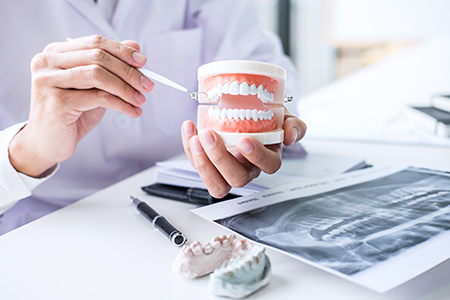
Creating an effective denture requires more than just taking impressions. We begin with a comprehensive evaluation that includes a review of oral and medical history, an examination of the gums and any remaining teeth, and necessary imaging to understand bone structure. These steps inform a customized treatment plan tailored to your needs.
Throughout the fabrication process you’ll have opportunities to preview fit, tooth shape, and shade. Trial appointments let us refine occlusion (how your teeth come together) and ensure the prosthesis complements your facial features. Fine-tuning at these stages leads to a more comfortable final result.
Sometimes preparatory procedures—such as extractions, minor tissue shaping, or periodontal care—are recommended to create an optimal foundation for the denture. We’ll explain any recommended steps and how they contribute to a better-fitting, more durable prosthesis.
Our team coordinates laboratory work, material selection, and clinical adjustments so the finished denture performs well from day one and remains serviceable with routine maintenance.

Adapting to a new denture takes a short period of adjustment. It’s common to experience increased saliva, a change in speech patterns, or minor sore spots at first; these issues usually resolve as oral tissues become accustomed to the appliance. Small clinical adjustments can address discomfort and improve function.
Eating with a new denture often begins with softer foods and gradual reintroduction of firmer textures. Learning to chew evenly and to use both sides of the mouth helps distribute force and protect the prosthesis and supporting tissues. With practice, many patients regain strong, comfortable chewing ability.
Hygiene is a central part of denture longevity. Rinse and brush the appliance daily, soak it as recommended, and continue to clean any remaining teeth and gums. Removing the denture overnight gives tissues a chance to rest and helps prevent irritation. Regular dental checkups allow us to monitor fit, function, and oral health and to perform relines or repairs when needed.
For some patients, added retention—such as implant attachments or professionally recommended adhesives—can enhance comfort and confidence. We will review these options objectively and select what best fits your clinical situation and daily routine.
At Royersford Dental Health, we combine clinical experience with modern materials to deliver dentures that help patients restore function and appearance while maintaining oral health. If you’d like to learn more about how dentures could fit into your treatment plan, please contact us for more information.

Dentures are removable dental appliances that replace missing teeth and the surrounding gum tissue. They consist of artificial teeth set into a base that rests on the gums and recreates the visible portion of teeth for chewing and speaking. Properly designed dentures are customized for bite, facial proportions, and tooth color to achieve a natural appearance.
Removable dentures are taken out for cleaning and overnight rest, which helps maintain hygiene and soft tissue health. Daily care and periodic professional checks keep the prosthesis functioning and reduce the risk of irritation or infection. Over time, relines or adjustments may be needed to preserve fit and comfort as mouth tissues change.
Good candidates for dentures include people who are missing several teeth or an entire dental arch and who want to restore chewing, speech, and facial support. Candidate suitability depends on oral health, the condition of remaining teeth, gum health, and the amount of underlying bone. A thorough dental evaluation helps identify whether a removable prosthesis or another restorative option is the best clinical choice.
Some patients prefer removable dentures because they are less invasive than certain fixed alternatives and can be adapted to individual needs. In many cases the dentist will review tissue health and any preparatory steps, such as extractions or periodontal therapy, to ensure a stable foundation for the prosthesis. The decision is personalized to balance function, comfort, and long-term oral health.
There are several denture styles to address different clinical situations, including partial dentures for replacing a few missing teeth and full dentures for an entire upper or lower arch. Within those categories, options include immediate dentures placed at the time of extractions, conventional dentures fabricated after healing, and overdentures that use remaining roots or attachments for added support. Advances in materials produce lighter bases and lifelike teeth for improved aesthetics and comfort.
Partial dentures often use clasps or precision attachments to integrate with remaining teeth, while full dentures rely on intimate contact with gums and underlying bone for retention. Implant-assisted designs use implants or attachments to increase stability and chewing efficiency while still offering removability in many cases. Material and design choices are made based on durability, weight, and the patient’s cosmetic goals.
The denture fabrication process begins with a comprehensive evaluation that includes medical and dental history, an examination of the gums and any remaining teeth, and necessary imaging to assess bone structure. Precise impressions and measurements are taken to create models of the mouth that guide the laboratory in crafting the base and teeth for proper occlusion and facial support. Trial fittings allow patients and the clinical team to review tooth shape, shade, and bite before the final prosthesis is completed at Royersford Dental Health.
Multiple adjustments during the fitting phase ensure the denture aligns with the patient’s speech patterns, chewing needs, and comfort preferences. The practice coordinates laboratory work and material selection to achieve a predictable outcome, and minor clinical refinements are common as the mouth adapts. Clear communication about expectations at each step leads to a more comfortable, functional final result.
Immediate dentures are fabricated in advance and placed at the time of tooth extraction so the patient is not without teeth during the healing phase. This approach preserves appearance and allows the patient to leave the appointment with a complete smile, but it usually requires subsequent adjustments as tissues heal and the mouth reshapes. Because the mouth changes after extractions, relining or refitting may be necessary for optimal long-term fit.
Conventional dentures are made after the extraction sites have fully healed and tissues have stabilized, which can lead to a more precise fit with fewer early adjustments. The trade-off is that patients must wait during the healing period before receiving the final prosthesis, or use a temporary solution in the interim. The dentist will discuss which timeline best supports predictable function and comfort based on individual healing and clinical goals.
Overdentures are removable prostheses that gain additional support from preserved tooth roots or specially placed attachments, which can help preserve bone and improve stability. Implant-retained dentures connect the denture to small anchors surgically placed in the jaw, offering increased retention and reduced movement during chewing and speaking. Both approaches aim to enhance comfort and function compared with conventional tissue-supported dentures.
When implants or retained roots are used, they help maintain jawbone volume and facial structure by transmitting functional forces to the bone. The level of support and the specific attachment system are planned according to the patient’s anatomy and prosthetic needs. The dentist will review the clinical benefits and any required preparatory steps to determine whether these options are appropriate.
Adaptation to new dentures typically takes several weeks and varies from person to person depending on mouth sensitivity, prior denture experience, and the extent of the prosthesis. Early symptoms such as increased saliva, minor sore spots, and slight changes in speech are common and usually decrease as oral tissues adjust to the appliance. Small clinical adjustments can address pressure areas and improve comfort during the initial adaptation period.
Practicing speech and starting with softer foods helps patients regain confidence in speaking and eating more quickly, and learning to chew evenly on both sides protects the denture and supporting tissues. Regular follow-up appointments allow the dental team to monitor progress and make any necessary refinements. If persistent pain or significant difficulty occurs, an evaluation can determine whether a reline, repair, or other modification is needed.
Daily cleaning is essential for denture longevity and oral health; rinse the appliance after meals and brush it gently with a soft brush and a nonabrasive denture cleanser to remove food debris and plaque. Avoid using regular toothpaste, which can be abrasive, and never soak dentures in hot water because heat can warp the base. Removing the denture overnight gives oral tissues a chance to rest and lowers the risk of irritation.
While the denture is out, continue to clean any remaining natural teeth, gums, tongue, and palate to reduce bacteria and maintain tissue health. Store the prosthesis in a recommended soaking solution when not worn to keep it hydrated and prevent drying or distortion. Bring the denture to dental visits so the clinician can assess fit, function, and perform professional maintenance when needed.
Routine follow-up is important to ensure that dentures remain comfortable and functional, because changes in bone and soft tissues over time can alter fit. Periodic relines restore close contact between the base and the gums, while repairs address chips or fractures that can occur with normal use. Regular dental examinations also allow the clinician to monitor oral tissues for irritation, sores, or other changes that require attention.
Patients should schedule checkups at intervals recommended by their dentist so adjustments can be made before small issues become larger problems. Signs that a denture needs professional attention include persistent soreness, looseness, changes in speech, and difficulty chewing. Timely maintenance extends the lifespan of the prosthesis and supports ongoing oral health.
Your first step is a consultation to review medical and dental history, examine oral tissues, and discuss your goals for appearance and function. During this visit the dentist will assess remaining teeth, gum health, and bone structure to recommend appropriate denture types and any preparatory care that may be needed. This initial planning helps create a personalized treatment pathway that matches your lifestyle and long-term expectations.
Once a plan is agreed upon, the process includes impressions, trial fittings, and adjustments to refine fit and aesthetics, with clear communication at each stage. The team coordinates laboratory work and clinical steps to deliver a well-fitting, functional prosthesis and schedules follow-up care to monitor adaptation and perform maintenance as needed. If you have questions or would like to schedule an evaluation, the practice staff can guide you through the next steps.

Proudly Servicing Patients In:
Royersford, Phoenixville, Collegeville, Pottstown, Sanatoga and Limerick.
Services