Extractions
Royersford Dentist Offering Extractions In Royersford, Pottstown, Phoenixville, Collegeville, And Surrounding Communities.


Royersford Dentist Offering Extractions In Royersford, Pottstown, Phoenixville, Collegeville, And Surrounding Communities.

At Royersford Dental Health, our first priority is preserving your natural teeth whenever possible. However, there are circumstances where removing a tooth is the safest and most predictable way to protect your oral health. An extraction can relieve pain, eliminate infection, prevent damage to neighboring teeth, and set the stage for appropriate restorative care when a tooth cannot be saved.
We approach every extraction as a carefully considered treatment decision rather than a last resort performed in haste. Before recommending removal, we evaluate tooth structure, surrounding bone, gum health, your overall medical history, and how an extraction might affect your bite and long-term oral function. Our goal is to balance immediate needs with future treatment options so you can move forward with confidence.
Below are some common reasons an extraction may be recommended. Each explanation highlights the condition, why removal can be appropriate, and what alternatives we consider before proceeding.
Deciduous (baby) teeth that won’t fall out
Sometimes a primary tooth fails to loosen on schedule because its roots did not resorb properly or it has become fused to the jawbone. When a retained baby tooth interferes with the eruption or alignment of the permanent tooth beneath it, removing the primary tooth allows normal development to continue and helps avoid future orthodontic complications.
Severe decay where a tooth is no longer restorable
Advanced cavities can compromise so much enamel and dentin that there isn’t enough healthy structure left to support a crown or filling. In these cases, extraction prevents the spread of infection and allows us to plan an appropriate replacement that restores chewing function and protects adjacent teeth.
Cracked or fractured teeth beyond repair
Teeth can sustain a range of fractures—from small chips to splits that extend below the gumline. When the damage involves most of the crown or the root is fractured, preserving the tooth may no longer be feasible. Extracting a compromised tooth removes a source of pain and infection and prepares the site for future restoration.
Advanced periodontal disease with loss of support
Gum disease that has progressed significantly can erode the bone and connective tissues that anchor a tooth. When a tooth has become mobile or the surrounding structures are too damaged to provide long-term stability, extraction may be necessary to protect neighboring teeth and improve overall oral health.
Wisdom teeth that are impacted or problematic
Third molars often lack adequate room to emerge normally. Impacted or partially erupted wisdom teeth can trap bacteria, damage adjacent teeth, and create chronic discomfort. Removing these teeth—often sooner rather than later—can prevent infections and alignment problems as the jaw continues to mature.
Extractions as part of orthodontic planning
When jaw size and tooth size don’t match, selective extractions can create space so teeth can be aligned more predictably. In coordinated care with orthodontics, removing specific teeth can simplify treatment mechanics and improve long-term function and esthetics.
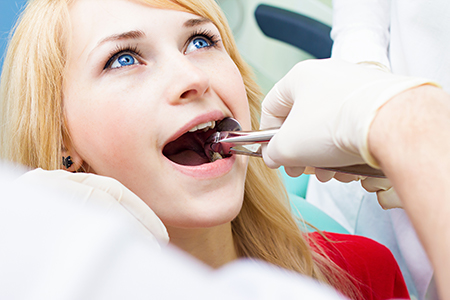
Preparation is essential for a safe, comfortable extraction and a smooth recovery. Our team begins with a thorough review of your dental and medical history, current medications, and any conditions that could influence treatment—such as bleeding disorders, heart conditions, or immune system concerns. Clear communication about your health allows us to tailor the procedure and any necessary precautions.
Imaging plays a central role in treatment planning. We use digital radiographs to assess root shape, proximity to nerve canals, and the amount of surrounding bone. This information helps determine whether a tooth can be removed with simple forceps or whether surgical access will be required. In more complex cases, three-dimensional imaging may be recommended to visualize anatomy in greater detail.
We’ll also discuss anesthesia and comfort options ahead of time. Local anesthetic is standard for most extractions; for patients who are anxious or require more extensive work, we offer sedation choices that can include nitrous oxide or oral sedation. Wherever appropriate, we’ll explain the steps, set expectations for recovery, and give practical pre-operative instructions so you arrive prepared and relaxed.
Extractions fall into two general categories—simple and surgical—based on how accessible the tooth is and the shape of its roots. A simple extraction is typically performed when a tooth is fully erupted and can be reached easily with instruments. After numbing the area thoroughly, the tooth is loosened and removed using forceps with as little disruption to surrounding tissues as possible.
In contrast, surgical extractions are used when a tooth is broken below the gumline, impacted, or has complex root anatomy. Surgical removal often involves a small incision in the gum, selective removal of bone when necessary, and sometimes sectioning the tooth into pieces for safe extraction. Because these cases can be more involved, we may coordinate care with an oral surgeon when it provides the best outcome for the patient.
Throughout either procedure, we prioritize comfort and safety. Local anesthesia eliminates pain at the site, and additional sedation options are available for patients who prefer them. After the tooth is removed, we discuss immediate steps—like whether sutures are needed—and outline the plan for replacing the tooth when appropriate.
A simple extraction typically takes only a short time once the area is numb. The dentist gently loosens the periodontal ligament and lifts the tooth free of its socket. You may feel pressure but not pain. We provide instructions for managing bleeding and discomfort before you leave and schedule follow-up as needed.
Surgical extractions are planned with precision. After numbing the site, the clinician makes a small incision to access the tooth and removes any bone that obstructs access. Sutures are sometimes placed to support healing. If you are referred to a specialist for surgery, we coordinate your care and review all post-operative instructions with you.
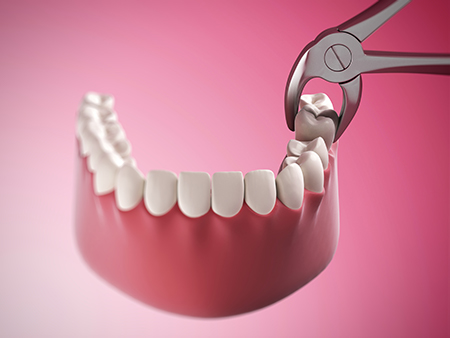
Careful aftercare reduces complications and speeds recovery. Immediately after an extraction you will bite on gauze to help form a clot—this clot is the body’s natural protection for the socket. Keep firm, steady pressure on the gauze as instructed; if bleeding persists, we provide guidance on when to return for evaluation.
For the first 24–48 hours, follow any medication instructions we prescribe and avoid actions that can dislodge the clot: do not use straws, avoid vigorous rinsing, and refrain from smoking. Apply ice intermittently to the cheek to limit swelling during the first day. Eat soft, cool foods and stay hydrated while avoiding hot or highly acidic beverages.
Maintain gentle oral hygiene near the extraction site—soft brushing and, after the first day, gentle rinses with a mild saltwater solution help keep the area clean without disturbing healing tissue. If sutures were placed, you’ll be given a follow-up appointment to check healing and remove any nonresorbable stitches. Reach out to our office if you notice increasing pain, persistent bleeding, or unusual swelling.
Keep pressure on the socket
Bite gently on the provided gauze to control bleeding. Replace it once as directed and continue until oozing decreases. Persistent heavy bleeding should be reported to us.
Protect numb tissues
Avoid chewing or touching the area while anesthesia is in effect to prevent accidental bites to the lip, cheek, or tongue.
Take medications as directed
Antibiotics:
If prescribed, complete the full course to guard against infection.
Pain control:
Start pain medication before numbness wears off if instructed. Use over-the-counter options or prescription medicines exactly as recommended.
Protect the clot
Avoid rinsing vigorously, drinking with a straw, or smoking for the first week. These actions can dislodge the clot and delay healing.
Manage swelling
Apply ice for short intervals on the first day and switch to warm compresses after 48 hours if helpful. Follow any activity restrictions we provide.
Choose gentle foods
Stick with soft, nonspicy foods and avoid chewing on the extraction side until healing advances.
Keep the mouth clean
Resume gentle brushing and consider saltwater rinses after the first 24 hours to support healing.
Follow-up care
Attend any scheduled follow-up visits so we can confirm proper healing and discuss replacement options when appropriate.
If you notice excessive bleeding, worsening pain, persistent swelling, or signs of infection such as fever or a foul taste, contact our office promptly for evaluation and next steps.
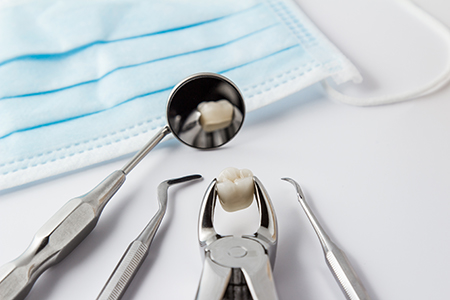
Removing a tooth is often the start of a larger plan to restore function and aesthetics. When appropriate, we’ll discuss options for replacing the extracted tooth to preserve chewing ability, prevent drifting of adjacent teeth, and maintain facial structure. Common restorative choices include removable dentures, fixed bridges, and dental implants—each has advantages depending on your oral health, anatomy, and long-term goals.
Dental implants are a durable option that can closely replicate the look and feel of a natural tooth, while bridges and dentures can also restore comfort and appearance when implants are not suitable. Regardless of the replacement method chosen, timely planning helps ensure the best functional and cosmetic outcome and minimizes bone loss in the extraction site.
Our team emphasizes prevention to reduce the likelihood of future extractions. Routine exams, professional cleanings, and early treatment of decay or gum disease are all part of a strategy that protects your remaining teeth and supports long-term oral wellness.
We combine years of experience with modern diagnostic tools and a patient-centered approach to make extractions as efficient and comfortable as possible. From careful assessment and clear communication to thoughtful aftercare instructions and coordinated restorative planning, our focus is on outcomes that support health and quality of life.
Whether you need a straightforward removal or a more complex surgical procedure, we will walk you through each step, explain your options, and tailor care to your needs. When specialized treatment is the safest choice, we collaborate with trusted oral surgeons to ensure continuity and excellence in your care.
Your comfort and long-term oral health matter to us. If you have questions about tooth removal, recovery, or replacement options, please contact us for more information.

A tooth extraction is a dental procedure that removes a tooth from its socket in the jawbone. Extractions may be recommended when a tooth is beyond repair, when it compromises surrounding teeth or tissues, or when it interferes with treatment plans such as orthodontics. The procedure is performed to protect overall oral health and to prevent further complications when conservative treatments are no longer viable.
Before recommending an extraction, the dentist will evaluate your oral and medical history, perform an examination, and take any necessary digital radiographs. Alternatives such as restoration, root canal therapy, or monitoring are considered whenever appropriate, and extractions are advised only when those options are insufficient to preserve long-term oral health. The goal is always to preserve natural teeth when possible while prioritizing safety and function.
Dentists commonly recommend extractions for teeth that are severely decayed or fractured beyond restoration, for impacted wisdom teeth, and for primary teeth that fail to fall out naturally and obstruct permanent tooth eruption. Advanced periodontal disease that has compromised the tooths supporting structures is another frequent reason for removal. Extractions may also be part of an orthodontic plan to address severe crowding or bite abnormalities.
Each case is individualized and assessed with clinical exams and radiographs to determine the extent of damage and the most appropriate treatment path. The dentist will explain why extraction is recommended and discuss how removing the tooth protects adjacent teeth and overall oral health. When extractions are planned, the team also explains options for subsequent replacement if needed to restore function and aesthetics.
Prior to an extraction, your dentist will review your medical history, current medications, and any allergies to determine if special precautions are needed. It is important to disclose conditions such as heart disease, diabetes, or bleeding disorders and to bring a list of medications, including blood thinners, so the team can coordinate care with your physician if necessary. You may receive specific preoperative instructions such as fasting for certain sedation options and guidance about stopping or continuing prescribed medications.
Follow the practice's instructions closely and notify the office if you develop a cold, fever, or other illness before your appointment. Arrange for transportation home if you will receive sedation, and plan for a period of rest after the procedure. Clear communication about your health helps reduce risks and supports a smoother recovery.
A simple extraction is performed on a tooth that is visible in the mouth and can usually be removed after the area is numbed with a local anesthetic. The dentist uses instruments to loosen the tooth and then removes it with forceps, and the procedure is typically straightforward with minimal tissue manipulation. Simple extractions are common for teeth that have erupted fully and have uncomplicated root anatomy.
A surgical extraction is needed when a tooth is broken at the gum line, impacted, ankylosed, or has complex root anatomy that prevents removal with forceps alone. This procedure may involve a small incision, removal of some bone, sectioning the tooth, and careful suturing of soft tissues. Surgical extractions are sometimes referred to an oral and maxillofacial surgeon depending on the complexity and patient needs.
Local anesthesia is used in virtually all extractions to numb the tooth and surrounding tissues so the procedure is comfortable and pain free. For patients who experience anxiety or require more extensive procedures, additional options such as oral sedation, nitrous oxide, or monitored intravenous sedation may be offered to promote relaxation. The appropriate choice is selected based on the patient's medical history, anxiety level, and the expected complexity of the extraction.
Your dentist will review benefits and risks of each option and explain any preoperative instructions tied to sedation, such as fasting or arranging supervised transportation home. Monitoring during and after the procedure ensures patient safety, and the team provides clear recovery instructions for any sedative used. Open communication about past experiences and concerns helps the clinician tailor anesthesia to your needs.
Immediately after an extraction you will be given instructions to manage bleeding, swelling, and discomfort, and a gauze pack will be placed over the extraction site to help form a protective blood clot. Mild bleeding or oozing for the first 24 hours is normal, and careful gauze pressure and rest are usually all that is required. Swelling can be controlled with ice applied intermittently during the first 24 hours, and taking recommended pain medication helps maintain comfort as local anesthesia wears off.
Your care team will review activity restrictions, dietary recommendations, and oral hygiene measures to protect the healing socket. It is important to avoid actions that could dislodge the clot, such as using a straw, vigorous rinsing, or smoking. You will also be advised about signs of potential complications and when to contact the office for follow up.
Dry socket occurs when the blood clot that normally protects the extraction site becomes dislodged, exposing bone and nerve endings and causing increased pain. To minimize this risk, follow post operative instructions exactly: avoid smoking, do not use a straw, refrain from vigorous rinsing for the first 24 to 48 hours, and stick to soft foods and careful oral hygiene. Prescribed or recommended medications, including any topical agents or mouth rinses, should be used as directed to support healing.
If you experience severe or worsening pain a few days after the extraction, a foul taste, or persistent bad breath, contact the office promptly since early intervention can relieve symptoms and promote healing. The dental team can provide treatments that protect the socket, control infection if present, and manage pain. Timely communication and adherence to aftercare guidance are the best defenses against common complications.
The initial soft tissue healing typically begins within one to two weeks, while the underlying bone continues to remodel and fill the socket over several months. Most patients can return to light daily activities within 24 to 48 hours, but strenuous exercise and heavy lifting should be postponed for several days to reduce the risk of increased bleeding or swelling. Your dentist will give a personalized timeline based on the extraction type and your overall health.
Follow up visits are scheduled as needed to monitor healing, remove sutures if placed, and discuss any necessary restorative plans to replace the missing tooth. Good nutrition, adequate hydration, and gentle oral hygiene support a faster recovery. If you have concerns about prolonged numbness, increasing pain, or signs of infection, contact the office right away for evaluation.
Children sometimes require extraction of primary teeth that are over retained, severely decayed, or preventing the eruption of permanent teeth. Pediatric extractions are planned with growth and development in mind, and the dentist will assess how removal influences eruption patterns and orthodontic needs. Special considerations include the childs comfort, behavior management, and the timing of extraction to support proper dental development.
Techniques for pediatric extractions often prioritize minimally invasive approaches and may include behavior guidance, local anesthesia, or mild sedation when appropriate. Parents are given clear aftercare instructions and information about what to expect during the healing process. The dentist coordinates care to minimize future complications and to preserve the health of the developing dentition.
At Royersford Dental Health our team emphasizes patient comfort, safety, and clear communication throughout every extraction procedure, combining years of clinical experience with modern diagnostic tools such as digital radiography. We provide tailored treatment plans, discuss all appropriate anesthesia and sedation options, and take time to explain aftercare and any replacement options should they be needed. The practices focus on conservative, evidence based care helps ensure extractions are recommended only when they best serve a patients long term oral health.
The office prioritizes continuity of care and coordinates with specialists when complex surgical extractions are required, ensuring patients receive the right level of expertise for their situation. Follow up and individualized postoperative guidance are part of the treatment pathway to support efficient healing and a return to normal function. Our approach is to deliver compassionate, professional care with attention to each patients specific needs.

Proudly Servicing Patients In:
Royersford, Phoenixville, Collegeville, Pottstown, Sanatoga and Limerick.
Services