Implant Dentistry
Royersford Dentist Offering Implant Dentistry In Royersford, Pottstown, Phoenixville, Collegeville, And Surrounding Communities.


Royersford Dentist Offering Implant Dentistry In Royersford, Pottstown, Phoenixville, Collegeville, And Surrounding Communities.

Missing teeth affect more than your smile — they change how you eat, speak, and how your jaw and facial tissues behave over time. When a tooth is lost, the bone that once supported it begins to remodel, which can lead to changes in facial contour, shifting of neighboring teeth, and altered bite forces. Addressing tooth loss promptly preserves oral function and helps prevent more complex problems down the road.
Dental implants restore missing teeth by recreating the functional role of a natural tooth root. That deep-rooted support is what allows implant restorations to chew efficiently, stay secure, and feel familiar in daily life. For many patients the result is renewed comfort and the ability to enjoy a wider range of foods without worrying about slipping or instability.
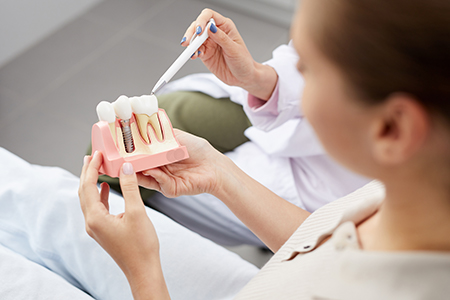
At Royersford Dental Health we focus on treatments that combine predictable biology with modern materials. Implants are often the best long-term option when the goal is to replace one or many teeth while maintaining or restoring the underlying bone and soft tissue architecture. Providing durable function and a natural appearance, implants help preserve both oral health and quality of life.
A dental implant is a small, biocompatible post—commonly titanium or a titanium alloy—that is surgically placed into the jawbone. Over a period of months the surrounding bone grows tightly around the post in a process called osseointegration. Once fully integrated, the implant becomes a stable foundation for a crown, bridge, or denture, taking on the role of the missing tooth root.
This root-like support is what differentiates implants from removable options: they transfer chewing forces into the jaw, which helps preserve bone volume and facial form. Because implants behave biomechanically like natural teeth, they allow for easier speech, more confident smiles, and fewer dietary limitations than many traditional prostheses.
Implants are valued for their longevity and predictable outcomes when placed and maintained correctly. Unlike removable appliances, implants do not shift during speech or eating, and they eliminate the need to alter otherwise healthy adjacent teeth to support a replacement. For these reasons, implants often preserve more of the natural dentition than alternative approaches.
From a functional standpoint, implants reduce bone loss at the extraction site by providing direct stimulation to the jaw. This preservation of bone supports healthier soft tissues and better long-term aesthetics. The stability of implant-supported restorations also simplifies daily care — regular brushing and flossing, paired with routine professional checkups, is usually sufficient for long-term success.
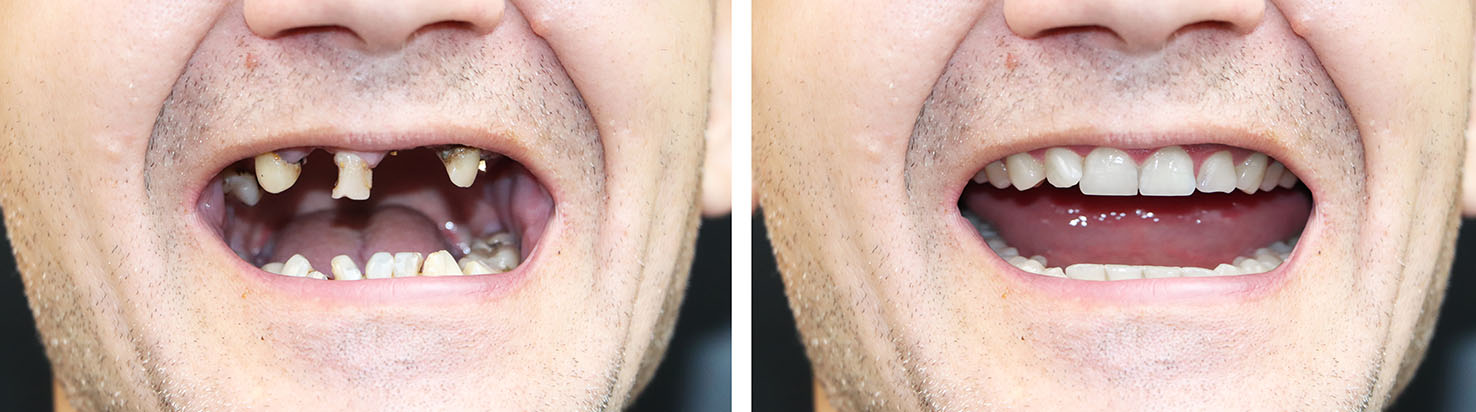
Choosing the right restorative option depends on many factors including the number of missing teeth, bone volume, overall health, and personal priorities around maintenance and permanence. Our team works with patients to weigh these elements and design a plan that balances function, longevity, and aesthetics.
A successful implant outcome starts with a thorough evaluation. That typically includes a clinical exam, diagnostic imaging, and a review of medical and dental history. Advanced imaging, such as cone-beam CT, helps the clinician assess bone quality and anatomical landmarks to plan implant placement with precision.
Surgery to place implants is usually an outpatient, minimally invasive procedure performed with local anesthesia and, when appropriate, additional sedation options. The extent of surgery varies by case: some patients need a single implant placed in a straightforward site, while others require preparatory procedures such as bone grafting or sinus elevation to build adequate support.
After implant placement, a period of healing allows osseointegration to occur. Depending on the treatment plan, a temporary restoration may be provided to maintain appearance and function during this period. Once the implant has integrated, the final prosthetic components are fabricated to match surrounding teeth for form and color.
Ongoing maintenance includes routine dental visits and daily oral hygiene. With proper care, implant restorations can provide many years of reliable service. Our team provides clear post-op guidance and follow-up to ensure healing goes smoothly and the final result meets the patient's expectations.
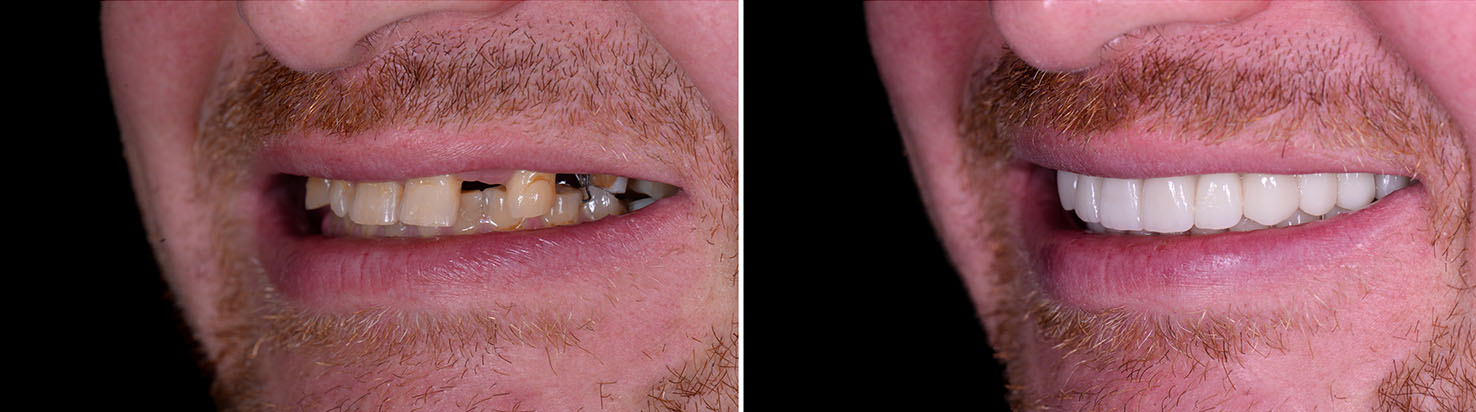
Bone volume is a key factor for implant stability. If bone has been lost due to extraction, periodontal disease, or long-term tooth absence, grafting procedures can rebuild the necessary foundation. Bone grafting restores support and creates a suitable environment for predictable implant placement in many cases.
Grafting techniques range from minor grafts at an extraction site to larger augmentations where structural support is needed. These procedures have become routine components of implant care and are guided by contemporary materials and surgical protocols that encourage reliable healing.
Long-term success depends on maintaining healthy tissues around implants. Brushing, flossing, and regular professional cleanings remain essential. Our clinicians also monitor the condition of implant restorations and surrounding gums at recall visits to identify and address issues early, such as inflammation or changes in bite patterns.
With attentive hygiene and appropriate follow-up, many patients enjoy stable, functional implant restorations for years. When concerns arise, timely evaluation allows conservative solutions rather than more extensive interventions.
Dental implants offer a scientifically backed, versatile way to restore missing teeth with results that look, feel, and function like natural dentition. Each treatment plan is individualized to match a patient’s anatomy, health status, and cosmetic goals. Our approach emphasizes clear communication, careful planning, and restorative craftsmanship to deliver predictable outcomes.
If you’d like to learn whether implants are a suitable option for your smile, our team at Royersford Dental Health would be happy to review your situation and explain the possibilities. Contact us for more information or to schedule a consultation — we can help you understand the steps involved and what to expect at each stage.

A dental implant is a small biocompatible post, usually titanium or zirconia, that is placed into the jawbone to replace a missing tooth root. Through osseointegration, the surrounding bone grows tightly against the implant, creating a stable foundation. This integration allows the implant to support a prosthetic tooth that functions much like a natural tooth.
A crown, bridge, or denture can be attached to the implant to restore chewing, speech, and appearance. Because implants transfer chewing forces into the jaw, they help preserve bone volume and facial contours compared with many removable options. Patients often report improved confidence and easier eating when implants replace unstable prostheses.
Good candidates for dental implants are patients with adequate bone volume and healthy oral tissues who are committed to regular home care and professional follow-up. Certain medical conditions, such as uncontrolled diabetes or heavy smoking, can affect healing and may require additional planning or risk mitigation. Advanced imaging and a complete medical history help clinicians determine candidacy and tailor a safe treatment approach.
Age alone is rarely a limiting factor; mature bone can often support implants successfully when other health factors are favorable. When bone is insufficient, grafting or alternative strategies can often create a suitable foundation, expanding eligibility for many patients. A consultation will clarify the individual’s prognosis and the steps needed to achieve a predictable result.
Treatment begins with a thorough consultation that includes a clinical exam, review of medical history, and radiographic assessment, often using cone-beam CT to evaluate bone anatomy. This diagnostic phase allows precise planning of implant position, size, and any preparatory procedures such as grafting. A clear plan helps the team select whether immediate, staged, or same-day provisional restorations are appropriate.
Implant placement is typically performed in an outpatient setting with local anesthesia and optional sedation for comfort. After the implant is placed, a healing period allows osseointegration before the final restoration is attached, though some cases allow earlier loading. Follow-up appointments monitor healing and ensure the prosthetic result meets functional and aesthetic goals.
The time to receive a final tooth after implant placement varies with the clinical situation, bone quality, and whether additional procedures are required. In uncomplicated cases with good bone, final restorations may be completed in a few months, while sites needing grafting can extend the timeline. Immediate provisional restorations can maintain appearance and function during healing when clinically appropriate.
Clinicians balance the desire for speed with the need for predictable osseointegration to reduce the risk of complications. Your team will explain the expected timeline for your specific plan, including healing milestones and prosthetic appointments. Clear communication ensures realistic expectations and a smoother treatment experience.
Bone grafting and sinus elevation are common adjunctive procedures when native bone is insufficient to support an implant. Grafting materials and techniques range from minor socket preservation to larger block grafts or guided bone regeneration depending on the defect. A sinus lift enlarges the bone in the upper jaw where the sinus floor is close to the planned implant site.
These procedures are routine components of modern implant care and are performed to create a stable foundation for long-term success. Healing time after grafting varies by technique and material but is factored into the overall treatment timeline. Careful planning and contemporary protocols help predictable integration of grafts and implants.
Like any surgical procedure, implant placement carries potential risks that include infection, delayed healing, and, rarely, nerve or sinus complications. Peri-implant inflammation or bone loss can develop over time if oral hygiene and maintenance are not maintained. Selecting appropriate patients and following evidence-based surgical protocols reduce the likelihood of adverse outcomes.
Early detection is key, so regular professional monitoring allows clinicians to address problems conservatively before they escalate. If concerns arise, timely intervention and targeted therapy can often preserve the implant and surrounding tissues. Your dental team will review specific risks related to your health history and outline strategies to minimize them.
Implant-supported dentures and All-on-4 solutions increase retention and chewing efficiency compared with traditional removable dentures by anchoring the prosthesis to implants. All-on-4 is a full-arch strategy that uses a limited number of strategically placed implants to support a fixed or fixed-removable prosthesis. Implant-retained overdentures use attachments to snap a removable denture to implants for improved stability while still allowing the patient to remove the prosthesis for cleaning.
These options can greatly improve comfort, confidence, and dietary choices for patients who struggle with conventional dentures. Planning considers bone distribution, esthetic goals, and maintenance needs to determine whether a fixed or removable implant solution is best. Long-term success depends on appropriate hygiene, routine care, and periodic professional assessments.
Long-term care for implants mirrors many habits recommended for natural teeth: thorough daily brushing, interdental cleaning, and routine professional examinations and cleanings. Specialized interdental brushes or floss designed for implants are often recommended to clean around abutments and implant crowns effectively. Avoiding tobacco and managing systemic health conditions contribute significantly to the longevity of implant restorations.
During recall visits, clinicians check soft tissues, prosthetic fit, and bite relationships and may perform targeted maintenance to address early signs of inflammation. Prompt attention to soreness, looseness, or changes in function helps prevent more significant problems. Consistent home care and regular professional oversight form the foundation of implant longevity.
Compared with traditional bridges, implants replace missing roots and therefore preserve jawbone by transmitting functional forces into the bone. A bridge typically requires altering adjacent healthy teeth to support the restoration, whereas a single implant often preserves neighboring tooth structure. Removable partial dentures can be a less invasive short-term option but usually offer less stability and may accelerate bone loss in edentulous areas.
The choice between implants, bridges, and removable prostheses depends on the patient’s oral condition, preferences, and long-term goals. A thorough evaluation helps determine which solution offers the best balance of function, maintenance, and aesthetics for each individual. Your dentist will explain the advantages and limitations of each approach during treatment planning.
At a consultation at Royersford Dental Health in Royersford, PA, you can expect a detailed review of your medical and dental history and a focused oral examination to assess the sites of tooth loss. Advanced imaging, such as cone-beam computed tomography, is often used to evaluate bone anatomy and identify anatomical structures relevant to implant placement. The team will discuss possible treatment pathways, including any preparatory procedures, prosthetic options, and an individualized timeline.
If implants are appropriate, the office will explain anesthesia and comfort options, post-operative expectations, and the schedule of follow-up visits to monitor healing and prosthetic fit. Clear communication about risks, benefits, and maintenance responsibilities helps patients make informed decisions aligned with their oral health goals. We encourage patients to bring a list of questions and any relevant medical information to make the consultation as productive as possible.

Proudly Servicing Patients In:
Royersford, Phoenixville, Collegeville, Pottstown, Sanatoga and Limerick.
Services