Invisalign®
Royersford Dentist Offering Invisalign® In Royersford, Pottstown, Phoenixville, Collegeville, And Surrounding Communities.


Royersford Dentist Offering Invisalign® In Royersford, Pottstown, Phoenixville, Collegeville, And Surrounding Communities.

Invisalign® offers a discreet, contemporary alternative to traditional braces — a treatment that uses clear, custom-made aligners to shift teeth gently and predictably. For many adults and teens who want straight teeth without obvious hardware, these near-invisible trays provide an effective path to a healthier, more confident smile. At Royersford Dental Health, we combine clinical experience with modern technology to design treatment plans that fit each patient's life and goals.
Invisalign® for Teens

Invisalign® for Brides

Invisalign® for Travelers
Before & After Photos
Invisalign® Videos

FAQs
Invisalign® vs Braces
Invisalign® vs Direct-To-Consumer Aligners
Is Invisalign® Right For Me?

Invisalign® Costs
Clear aligners are engineered to move teeth through a series of small, planned adjustments. Rather than bending wires and tightening brackets, this approach relies on sequential aligner trays that apply gentle, controlled pressure to specific teeth. The result is a system that is often less intrusive and easier to maintain than traditional orthodontics.
Because aligners are removable, patients can keep their usual oral hygiene routine — brushing and flossing as they normally would — and enjoy foods without the restrictions that come with fixed braces. That convenience is a major reason people choose clear aligners when their orthodontic needs are appropriate for this method.
While aesthetics are a compelling benefit, the clinical advantages matter most: advanced aligner systems integrate digital planning and lab precision to translate a treatment goal into a predictable series of tooth movements. This combination of comfort, discretion, and predictable biomechanics has made clear aligners a widely accepted option for many alignment issues.
Invisalign treatment begins with a precise, three-dimensional scan of your teeth. This digital model replaces traditional putty impressions and serves as the foundation for a fully mapped treatment pathway. Using specialist software, clinicians visualize each stage of movement, which helps ensure the aligners guide teeth efficiently toward the intended final positions.
That digital roadmap allows your provider to preview the projected outcome and refine the plan before any aligners are made. Small attachments — tooth-colored bumps bonded to select teeth — or elastic auxiliaries may be incorporated into the plan to achieve movements that require additional force or rotation. These decisions are all based on the digital treatment simulation and the clinician’s judgment.
Manufacturing uses precision techniques to create each tray so it matches the planned sequence. When worn as instructed, the aligners advance the treatment step by step. Regular monitoring appointments help your provider verify progress and make adjustments if needed, preserving both safety and predictability throughout the course of care.
After your initial consultation and scan, you’ll receive a clear timeline that outlines phases of care. Each phase corresponds to a set of aligners worn for a specified number of days before advancing to the next set. Most patients are advised to wear aligners for at least 20–22 hours per day to achieve the intended results within the projected timeframe.
Follow-up visits are typically brief and focused on tracking progress and providing the next sets of aligners. These check-ins are opportunities to address questions about comfort, attachment wear, or any adjustments needed to maintain progress. If refinements are necessary, additional aligners can be planned to fine-tune the result.
Comfort varies by individual, but many patients report only mild pressure for the first few days after switching to a new aligner. Over-the-counter pain relief and soft foods can help manage initial sensitivity. Long-term, most people appreciate the minimal interference with daily life and the quick return to normal oral care routines after meals.
Clear aligners can address a wide range of alignment problems, including mild to moderate crowding, spacing, and many bite concerns. That said, not every case is appropriate for aligners alone. Complex skeletal issues, severe bite discrepancies, or certain tooth movements may require alternative or combined approaches. A thorough clinical exam and digital evaluation determine the best course of action for each patient.
Age is less of a limiting factor than dental health. Teens and adults who have healthy gums, stable oral hygiene, and no uncontrolled dental disease are typically good candidates. For younger patients, growth patterns are an important consideration and are evaluated carefully before recommending aligner therapy.
When clinical needs extend beyond what aligners can safely or predictably accomplish, your provider will discuss alternatives. The goal is the same — a functional, stable, and aesthetically pleasing outcome — and the chosen method will reflect which option best serves those objectives for each individual.
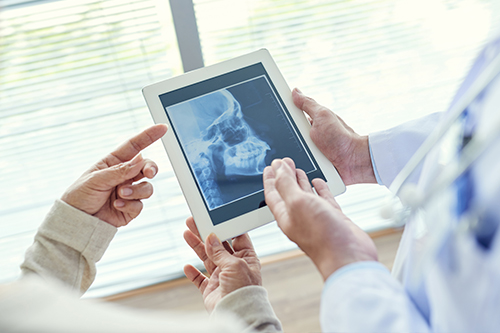
The first appointment centers on a comprehensive exam and digital records. We evaluate tooth position, bite relationships, and overall oral health so the proposed plan aligns with your functional needs and cosmetic goals. This visit establishes the clinical baseline and identifies any preparatory care that should occur before aligners begin.
During the scan, we capture precise three-dimensional data that informs your personalized plan. This imagery is used to create a step-by-step simulation so both clinician and patient can understand the proposed sequence of movements before treatment starts.
We also discuss expectations, required compliance, and maintenance tasks. Clear alignment goals combined with an informed patient consistently lead to better clinical outcomes and higher satisfaction with the finished smile.
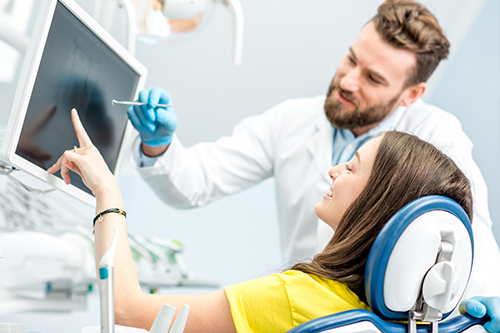
Once records are complete, your treatment is digitally mapped from start to finish. This customized plan defines each stage and indicates where attachments or interproximal reduction might be helpful. Clinicians use this plan to balance aesthetics with function so final tooth positions support chewing and joint health as well as appearance.
Patients often appreciate seeing a projected outcome before starting — a visual reference that clarifies goals and timelines. While no simulation guarantees a precise minute-for-minute outcome, these previews are valuable for aligning expectations and guiding clinical decisions.
Throughout planning, your provider makes evidence-based choices to promote stability and long-term results, considering retention strategies once active alignment concludes.
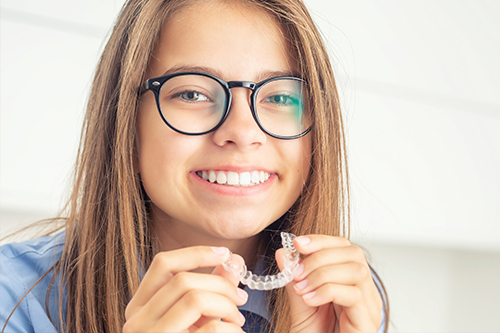
Aligners are manufactured from smooth, biocompatible plastic designed for comfort and low irritation. Patients typically notice minor sensations of pressure with new trays, which is a normal sign that teeth are responding to treatment. These sensations tend to subside within a few days.
Proper wear, cleaning, and storage are essential. We provide clear instructions for removing trays during meals, cleaning them with recommended solutions, and avoiding behaviors that can warp or damage the aligners. Good daily habits help keep treatment on schedule and preserve oral health throughout the process.
Because aligners are removable, maintaining regular dental cleanings and checkups is straightforward. These routine visits ensure your gums and teeth remain healthy while alignment progresses.

Treatment completion often includes a final evaluation to confirm tooth positions and bite function. Minor refinements can be planned if necessary to address subtle discrepancies. These finishing steps are part of ensuring a stable, long-lasting result rather than an afterthought.
Retention protocols are discussed at the end of active alignment. Retainers — removable or fixed — play a crucial role in preserving the new positions of teeth and protecting your investment in a straighter smile over time.
Throughout the entire process, the clinical team remains available to answer questions and provide guidance, helping patients navigate each stage with clarity and confidence.
We provide resources that show how aligners fit, how to care for them, and what to expect at each stage of treatment. Viewing demonstrations can make the process more straightforward and reinforce good habits for success.
If you’re interested in visual guides or step‑by‑step demonstrations, our team can recommend vetted materials and answer specific questions during your consultation so you know what to expect on day one.
*Invisalign® is a registered trademark of Align Technology, Inc.
When you’re weighing treatment options, clinical experience, careful planning, and consistent follow-up are what make the difference. Invisalign aligners combine discreet aesthetics with a data-driven approach to tooth movement, and when used appropriately they offer a reliable option for many alignment needs. To learn whether clear aligners are suitable for your smile and goals, contact Royersford Dental Health for more information and to schedule a consultation.
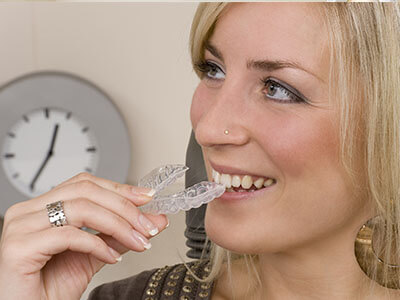
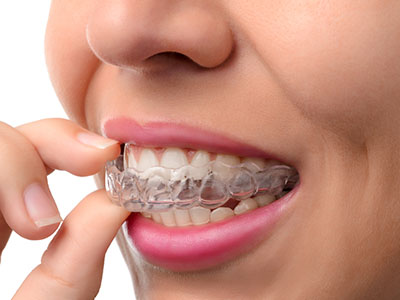
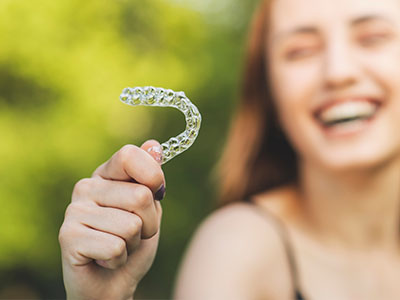
Invisalign® is a system of clear, removable aligners custom-made to fit over the teeth and progressively shift them into position. The aligners are fabricated from transparent material and are virtually unobtrusive during daily activities. Because they are removable, they allow patients to eat, brush and floss without the hardware of fixed appliances.
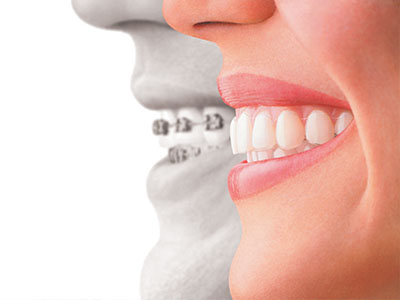
Unlike traditional metal braces, Invisalign® does not rely on brackets and wires to move teeth and therefore has fewer dietary restrictions and simpler daily hygiene. Treatment planning is driven by precise digital imaging and a staged sequence of aligners rather than periodic wire adjustments. Patient cooperation is essential for predictable outcomes, as the aligners must be worn as directed to achieve planned tooth movement.
Treatment begins with a comprehensive exam and a digital scan or impression to create a three-dimensional model of the teeth. That model is used to develop a step-by-step treatment plan showing the projected movement of each tooth and the sequence of custom aligners. The plan is reviewed and refined with the dentist before production of the aligner series.
Patients wear each set of aligners for the prescribed time, typically changing to the next set on a regular schedule so teeth move gradually. Periodic checkups allow the dentist to monitor progress and make adjustments or refinements if necessary. The combination of a customized plan and regular oversight helps ensure treatment follows the intended path.
Good candidates for Invisalign® include teens and adults with mild to moderate crowding, spacing, or certain bite issues who are committed to wearing aligners as instructed. The system can address a wide range of alignment concerns but may be less suitable for very complex skeletal discrepancies that require orthognathic surgery or fixed appliance mechanics. A thorough clinical exam and imaging are required to determine whether Invisalign® is the appropriate option.
Patient cooperation, oral hygiene, and realistic treatment expectations are important factors in candidacy. The dentist will evaluate the dental and periodontal health to confirm there are no untreated conditions that could affect tooth movement. When indicated, Invisalign® can often be combined with other dental procedures to achieve optimal functional and aesthetic results.
Treatment duration varies based on the complexity of the case, the type of tooth movement required, and patient compliance with wearing the aligners. Some patients complete treatment in several months, while others may require a year or more for more involved corrections. The initial treatment plan provides a projected timeline, but this can change if refinements or additional aligners are needed.
Factors that influence the timeline include the severity of misalignment, whether attachments or elastics are required, and how consistently the patient wears the aligners for the recommended daily hours. Regular monitoring helps keep treatment on track and allows the dentist to address issues that might extend the timeline. A personalized plan and good adherence to instructions typically lead to the most predictable results.
Aligners should be removed before eating or drinking anything other than water and should be rinsed or brushed gently before reinserting. Clean aligners daily using a soft toothbrush and clear, nonabrasive soap or a manufacturer-recommended cleaner, and avoid hot water which can warp the material. Storing aligners in their case when not in use protects them from damage and contamination.
Maintaining excellent oral hygiene is essential while undergoing aligner therapy to prevent decay and gum problems that can compromise results. Brush and floss after meals before putting aligners back in, and keep routine dental cleanings and exams. If you notice persistent discomfort, staining, or damage to an aligner, contact the dental team for guidance.
Most patients experience some pressure or mild soreness when starting a new set of aligners as teeth begin to shift, but this discomfort is generally short-lived and manageable with over-the-counter pain relievers if needed. Aligners are designed with patient comfort in mind and are made from smooth plastic that reduces irritation compared with brackets and wires. Any soreness typically decreases after a few days as the mouth adjusts.
Some patients notice a temporary change in speech or a slight lisp when they first begin wearing aligners, which usually resolves within days as the tongue adapts. Attachments may alter the feel of the aligners but do not cause permanent speech changes. Practicing talking while wearing aligners and following the dentist's instructions helps accelerate the adaptation period.
After the initial consultation and delivery of the first aligners, patients typically return for follow-up visits at regular intervals to ensure treatment is progressing as planned. Visit frequency is influenced by the individual treatment plan but often falls in the range of six to twelve weeks between in-office checks. These appointments allow the dentist to review progress, provide new aligner sets if appropriate, and make any necessary adjustments.
Some practices also use remote monitoring tools that allow patients to share progress photos between visits, which can reduce the number of in-person appointments when appropriate. Urgent concerns such as significant discomfort, a damaged aligner, or unexpected movement should prompt a prompt contact with the dental team. The dentist will establish a schedule tailored to the patient's needs and provide clear instructions for when to return.
Attachments are small, tooth-colored composite bumps bonded to specific teeth to provide points of contact for the aligner and enable controlled rotation or extrusion of teeth. Elastics are small rubber bands used in some cases to help correct bite relationships by applying targeted force between the upper and lower teeth. Both are tools that expand the types of tooth movement achievable with clear aligners.
Attachments are placed and removed in the dental office without invasive procedures and are designed to be discreet. Elastics require patient cooperation to wear them as directed, and the dentist will demonstrate proper placement and explain the wearing schedule. The treatment plan will specify whether attachments or elastics are necessary based on the movements needed to reach the planned outcome.
Retention is a critical phase that follows active tooth movement to prevent relapse and preserve the new alignment of the teeth. Most patients are provided with retainers to wear full time initially, then transition to nighttime wear as recommended by the dentist. The specific retainer type and wearing schedule depend on individual needs and the treatment outcome.
Ongoing dental checkups and a consistent oral hygiene routine support long-term stability and overall oral health. If minor shifting is noticed, contact the dental team promptly to discuss options such as a replacement retainer or targeted correction. Your dentist will provide a retention plan designed to protect your investment in a stable, healthy smile.
To begin, schedule a consultation at the office in Royersford, PA where a dentist will perform an exam, review your dental history, and discuss your smile goals. During the visit the team may take digital scans or images to evaluate alignment and bite, and to create a customized treatment plan and visualization of projected results. This first appointment is an opportunity to ask questions about the process, expected outcomes, and what to expect during treatment.
If Invisalign® is recommended, the practice will provide a clear timeline for visits and explain instructions for aligner wear, care, and retention. The dentist will tailor the plan to your specific needs and outline any adjunctive treatments that might improve function or aesthetics. Clear communication and a personalized approach help ensure you feel informed and confident before treatment begins.

Proudly Servicing Patients In:
Royersford, Phoenixville, Collegeville, Pottstown, Sanatoga and Limerick.
Services