Oral Exams
Royersford Dentist Offering Oral Exams In Royersford, Pottstown, Phoenixville, Collegeville, And Surrounding Communities.


Royersford Dentist Offering Oral Exams In Royersford, Pottstown, Phoenixville, Collegeville, And Surrounding Communities.

At the office of Royersford Dental Health, we believe the most effective route to lasting oral wellness is prevention paired with informed care. Routine oral exams give our team the chance to spot early signs of trouble, reinforce healthy habits, and plan conservative treatments when needed. During these visits we provide a full suite of preventive services — from careful visual exams and professional cleanings to oral cancer screenings and tailored hygiene guidance — all aimed at keeping your mouth strong, comfortable, and functional for years to come.
Your initial appointment is about more than checking boxes — it’s an opportunity to create a baseline that guides your dental care going forward. We start by reviewing your medical and dental history, listening to your concerns, and asking questions about any symptoms such as sensitivity, soreness, or changes in bite. This conversation helps us prioritize what to evaluate during the clinical exam.
The clinical portion of the exam looks beyond the teeth: we inspect the gums, soft tissues, jaw joints, and the relationship between upper and lower teeth. As part of a comprehensive assessment the dentist will usually include a periodontal evaluation to screen for gum disease, an oral cancer screening, and an examination of TMJ function. Noting habits like clenching or grinding is important because these behaviors can quietly damage teeth and supporting structures.
Diagnostic images are recommended when they will add information to the visual exam. X-rays and other imaging tools allow us to see beneath the surface — the roots, bone levels, and contact areas between teeth — so we can detect hidden decay, early bone loss, or developmental concerns. When we finish, we’ll explain what we found and outline clear, practical next steps so you understand the reasons behind any recommendations.
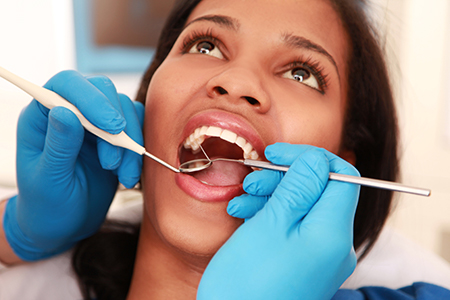
Your mouth is part of the body’s ecosystem, and changes there can reflect broader health patterns. During an oral exam we pay attention to signs that may relate to systemic conditions — for instance, persistent gum inflammation, unusual oral lesions, or chronic dry mouth. Identifying these signs early helps prompt further medical evaluation when appropriate and supports coordinated care between dental and medical providers.
Research continues to clarify links between oral inflammation and several chronic conditions. While the relationships are complex, evidence suggests that poor oral health is associated with increased risks for certain systemic issues. Because the mouth can both influence and reveal wider health problems, a thorough oral exam is an important preventive measure for whole-person wellbeing.
On a practical level, telling us about your overall health, medications, or recent medical events gives context to what we see in the mouth. Some drugs cause dry mouth or affect gum tissue; certain medical conditions change how your body manages infection and healing. By combining clinical observations with your health history, we can tailor recommendations that support both oral and overall health.
Daily brushing and flossing are essential, but even the most diligent home-care routines can miss hardened plaque and tight interdental spaces. Professional cleanings remove tartar that cannot be brushed away, reduce the bacterial load that leads to cavities and gum disease, and help freshen the mouth. These visits also let us measure gum health and track any changes over time.
Routine checkups give us a chance to catch problems when they’re small and more manageable. Early intervention can mean simpler treatments, less discomfort, and better long-term outcomes. During these visits our hygienists and dentists also provide personalized coaching on brushing techniques, interdental cleaning, and lifestyle choices that support a healthy mouth.
Children benefit tremendously from regular exams and cleanings: early visits establish good habits, allow us to monitor development, and make preventive treatments more effective. We also watch growth patterns so we can identify when orthodontic assessment might be helpful. At the office, we aim to make each preventive visit educational and reassuring, helping families build routines that last a lifetime.
Visual inspection is essential, but radiographs reveal the anatomy beneath the surface. Digital radiography provides clear images of tooth roots, bone levels, and areas between teeth where decay often begins. These images are a diagnostic cornerstone for care planning, enabling us to detect hidden problems before they become apparent clinically.
Because digital sensors capture images instantly, we can review findings with you during the same visit and use software tools to annotate or compare images over time. Digital methods also use lower radiation doses than older film techniques and eliminate the need for chemical processing, which is both safer and more environmentally friendly.
The practical benefits are immediate: faster exams, clearer communication, and images that become part of your electronic record for longitudinal tracking. When necessary for more complex cases, advanced imaging can be employed to deliver precise, well-informed treatment planning.
Quicker imaging with lower radiation exposure
Immediate viewing so findings can be discussed on the spot
Easy electronic storage and secure sharing for coordinated care
No chemical development, which reduces waste and environmental impact
Images integrate into your chart for ongoing comparison and monitoring

Not all diagnostic images serve the same purpose. Small intraoral films such as periapical images focus on a single tooth and its root, while bitewing views make it easier to find decay between teeth. A full mouth series combines these perspectives to give a comprehensive view of dental health when more detailed information is needed.
Panoramic films provide a broad, two-dimensional picture of the jaws and teeth and are useful for evaluating development, identifying impacted teeth, and assessing the general condition of bone. Cephalometric images offer a profile view often used in orthodontic planning to study jaw relationships and facial proportions.
For complex surgical planning or implant placement, three-dimensional cone-beam CT (CBCT) can be invaluable. CBCT captures precise volumetric data that allows clinicians to visualize bone quality, nerve positions, and anatomical details in three dimensions — information that supports safer, more predictable treatment outcomes.
Our approach is conservative: we recommend only the imaging that adds meaningful diagnostic value for your care. When advanced imaging is appropriate, we’ll explain the reason, what it shows, and how it influences the plan so you can make informed decisions alongside our team.
Regular oral exams are the foundation of strong dental health. They allow us to catch issues early, preserve healthy tissues, and create care plans that reflect your individual needs and goals. Our team focuses on clear communication, gentle techniques, and practical guidance so every visit helps you move closer to a lifetime of confident smiles.
If you would like to learn more about what an oral exam includes or how often you or a family member should be seen, please contact us for more information.
An oral exam is a comprehensive evaluation of the mouth, teeth and supporting tissues that helps identify current problems and assess future risk. During the exam a clinician conducts a careful visual inspection of teeth, gums, lip and cheek tissues, and the temporomandibular joints to note signs of decay, inflammation, lesions or abnormal wear. The exam usually includes a periodontal screening, assessment of bite and an evaluation for habits such as clenching or grinding that can affect oral health.
Findings from the oral exam guide preventive recommendations and any needed diagnostic imaging so treatment can be planned conservatively and effectively. The clinician will explain observations in clear, practical terms and outline follow-up steps such as hygiene coaching, monitoring intervals or referral when specialist care is appropriate. Over time, consistent exams create a baseline that makes it easier to detect subtle changes early.
At Royersford Dental Health your first oral exam focuses on building a complete picture of your oral health so future care is personalized and efficient. We begin by reviewing medical and dental history, asking about symptoms like sensitivity or soreness, and discussing lifestyle factors that influence oral health. The clinical exam then inspects teeth, gums, tongue and soft tissues and typically includes an oral cancer screen and a periodontal evaluation to check gum health.
Diagnostic images may be recommended if they will provide important information that visual inspection cannot reveal, such as decay between teeth or bone level assessment. When the exam is complete the dentist will review findings, answer your questions and propose a clear, prioritized plan for preventive care or treatment. This approach helps patients understand why recommendations are made and how each step supports long-term oral wellness.
For many patients routine oral exams are recommended every six months because twice-yearly visits make it easier to catch problems early and maintain gum and tooth health. Patients with active gum disease, frequent decay, certain medical conditions or a history of complex dental work may need more frequent monitoring, which the dentist will recommend based on individual risk. Interval planning is tailored to each person so care balances prevention with practicality.
Establishing a consistent exam schedule also supports continuity of care by allowing clinicians to compare findings over time and spot subtle changes before they progress. If your health status or medications change, let the team know so your exam frequency can be adjusted accordingly. Clear communication with your dental team ensures the recall schedule matches your current needs.
Imaging is used when it provides additional diagnostic value beyond the visual exam, such as revealing decay between teeth, root infections, bone levels or developmental concerns. Modern digital radiography produces high-quality images with lower radiation exposure than older film techniques, and these images can be reviewed immediately to support timely decision-making. Advanced three-dimensional imaging such as cone-beam CT (CBCT) is reserved for complex cases like implant planning or surgical assessment where volumetric detail is essential.
Because every image involves some exposure, the clinical team recommends only the views that directly affect diagnosis or treatment planning. When images are taken the clinician will explain what they show and how they influence recommendations so you can make informed choices. Images are stored securely in the patient record for longitudinal tracking and comparison at future visits.
An oral cancer screening is a routine part of most comprehensive oral exams and involves a careful visual and tactile inspection of the lips, tongue, floor and roof of the mouth, cheek tissues and oropharynx. The clinician looks for persistent sores, lumps, discoloration or patches that do not resolve and assesses any areas of concern by noting size, texture and location. When risk factors such as tobacco use, alcohol consumption or a history of HPV are present, the screening is especially important for early detection.
If a suspicious area is identified the dentist may schedule follow-up monitoring, use adjunctive diagnostic tools, or refer you to a specialist for biopsy and further evaluation. Early detection significantly improves outcomes, which is why systematic screening is standard practice during routine oral exams. The team will communicate findings clearly and coordinate next steps with your broader health care providers when appropriate.
Oral exams include a periodontal evaluation that measures pocket depths around teeth and assesses bleeding, attachment levels and gum inflammation to identify early signs of gum disease. Detecting periodontal issues at an early stage allows for non-surgical interventions such as improved home care, targeted professional cleanings and behavior modification to arrest progression. The exam also identifies risk factors like smoking, uncontrolled diabetes or certain medications that can worsen periodontal conditions.
When deeper treatment is required the dentist will explain options for scaling and root planing, adjunctive therapies or specialist referral and establish a maintenance schedule to monitor healing and response. Regular exams and cleanings are essential to reduce the bacterial load that contributes to gum disease and to preserve supporting bone and tissues. Personalized hygiene coaching during visits helps patients adopt effective habits that support long-term periodontal health.
The mouth is part of the body’s broader ecosystem, and changes in oral tissues can reflect or influence systemic health in meaningful ways. Clinicians look for signs such as persistent inflammation, unusual oral lesions or chronic dry mouth that may be associated with conditions like diabetes, autoimmune disorders or medication effects. Sharing your full medical history and current medications gives context to oral findings and supports coordinated care between dental and medical providers.
Royersford Dental Health recommends using oral exams as a routine opportunity to screen for signs that warrant medical follow-up and to communicate observations with your primary care team when appropriate. While relationships between oral and systemic health are complex, early detection and prompt communication improve the chances of addressing underlying issues effectively. Regular dental visits therefore contribute to both oral wellbeing and broader health monitoring.
To get the most from an oral exam bring an up-to-date list of medications, recent medical changes and any questions or concerns you want to discuss with the dentist. If you have prior dental records or radiographs from another office, bringing or arranging transfer of those images can be helpful for comparison and treatment planning. Arrive with routine oral hygiene completed so the clinician can evaluate the natural condition of your gums and teeth.
If you experience dental anxiety consider noting specific triggers or requesting extra time to review procedures and options during the visit. For patients with medical conditions or special needs, let the office know in advance so appropriate accommodations can be arranged. Clear communication before and during the appointment helps the team deliver a focused, comfortable exam.
The length of an oral exam and professional cleaning depends on the complexity of the exam and the patient’s needs, with many routine appointments lasting between 30 and 60 minutes. A standard checkup and hygienist-performed cleaning may be completed on the shorter end of that range, while comprehensive exams that include full-mouth charting, additional periodontal measurements or imaging can take longer. If treatment or extra diagnostics are recommended, the team will discuss scheduling and expected time requirements.
Allowing adequate time ensures the clinician can perform a thorough evaluation, answer your questions and provide personalized hygiene instruction without feeling rushed. If you have time constraints, mention them when booking so the office can plan an appointment length that balances efficiency with comprehensive care. Regular, appropriately timed visits help prevent longer or more involved procedures later.
Modern imaging methods such as digital radiography and three-dimensional cone-beam CT improve diagnostic accuracy by revealing anatomical details that are not visible on clinical inspection. Digital sensors provide immediate, high-resolution images of tooth roots, bone levels and interproximal areas with lower radiation exposure than traditional film, while CBCT supplies volumetric data useful for implant planning and complex surgical cases. Instant image review supports clearer communication and more efficient treatment planning during the same visit.
Digital images also integrate into electronic health records for secure storage and longitudinal comparison, enabling clinicians to monitor changes over time and make evidence-based recommendations. Because each modality serves a specific purpose, practitioners use a conservative approach and request only the imaging necessary to inform care. When advanced imaging is advised the team will explain what it shows, why it is helpful and how it affects the proposed plan.

Proudly Servicing Patients In:
Royersford, Phoenixville, Collegeville, Pottstown, Sanatoga and Limerick.
Services