Orthodontics
Royersford Dentist Offering Orthodontics In Royersford, Pottstown, Phoenixville, Collegeville, And Surrounding Communities.


Royersford Dentist Offering Orthodontics In Royersford, Pottstown, Phoenixville, Collegeville, And Surrounding Communities.

Orthodontics is about more than straight teeth — it’s a discipline that restores proper form and function to the bite. When teeth are crowded, widely spaced, tipped, or when the upper and lower jaws don’t coordinate as they should, the result can be difficulty chewing, uneven wear, speech challenges, and a greater risk of dental disease. Correcting these issues improves how the mouth works and often enhances the way a smile looks.
Treatment is driven by careful diagnosis. Using clinical exams and modern imaging, clinicians identify how the teeth and jaws relate and then design a plan that gently guides teeth into healthier positions. Orthodontic movement relies on controlled, continuous forces applied by appliances that can be customized to each patient’s anatomy and goals.
Options vary from traditional fixed braces to removable clear systems, and the best choice depends on the nature of the problem and the patient’s preferences. Some cases are straightforward and require only minor adjustments; others involve more comprehensive tooth and jaw alignment. Treatment timelines are individualized and focus on long-term stability rather than quick fixes.
At the office of Royersford Dental Health, we take a thorough, patient-centered approach to orthodontic care. We assess oral health, functional needs, and aesthetic goals to recommend an evidence-based path to a stronger, more comfortable smile.
A well-aligned bite makes everyday oral care more effective. When teeth sit neatly in the arch, brushing and flossing reach the surfaces that matter, reducing places where plaque can accumulate. Over time this lowers the chances of tooth decay and periodontal problems that can complicate orthodontic therapy and overall dental health.
Teeth that are positioned correctly also distribute biting forces more evenly. That protects tooth enamel and dental restorations from excessive wear and reduces the risk of chips or fractures. Proper alignment often preserves the lips and soft tissues’ ability to shield teeth from trauma, which is especially important for active children and athletes.
Functional improvements go beyond chewing. A balanced bite can ease strain on the jaw joints and surrounding muscles. When teeth meet as intended, patients commonly report fewer headaches, less jaw stiffness, and smoother jaw motion. Orthodontics contributes to comfort and performance, not just appearance.
Easier home care: straighter teeth and well-spaced contacts simplify brushing and flossing routines.
Improved protection: properly aligned teeth are less exposed to accidental damage and wear.
Better oral function: alignment helps with biting, chewing, and clear speech.
Reduced uneven wear: even contacts prevent localized enamel breakdown over time.
Support for joint health: a stable bite can lessen stress on the TMJ and related muscles.
Contribution to overall wellness: oral health and general health are connected, and alignment plays a role.
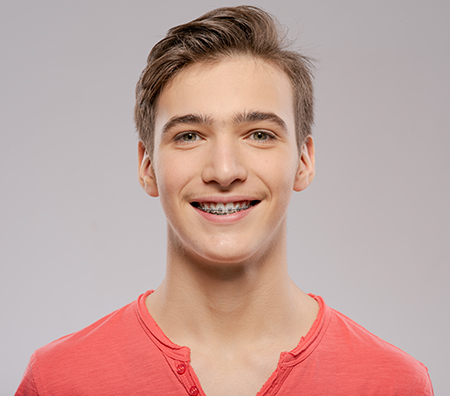
Selecting the most suitable orthodontic appliance depends on the complexity of the problem, the patient’s growth status, and how quickly results are needed. A minor tooth movement can often be achieved with removable appliances, while comprehensive bite correction typically requires fixed braces or a series of aligners planned to address the entire occlusion.
Patient cooperation plays a large role in success. Removable options require consistent wear and good home care, while fixed appliances demand careful oral hygiene to prevent complications. Clinical evaluation determines whether tooth extractions, supportive devices, or adjunctive treatments are necessary to achieve a stable outcome.
We closely monitor developing dentitions in children to identify the right time for intervention. Early assessments can reveal habits, space problems, or jaw growth patterns that benefit from timely guidance, while many adolescents and adults can proceed with comprehensive correction when conditions are appropriate.
Severity and type of bite discrepancy — simple crowding versus skeletal imbalance often require different strategies.
Amount of tooth movement needed and whether extractions will be part of the plan.
Patient age and growth potential, which can be leveraged in younger patients for certain corrections.
Need for additional appliances, such as expanders or temporary anchorage devices, to support complex movements.
Commitment to oral hygiene and appliance wear, which directly affects treatment efficiency.

Orthodontics has changed dramatically with digital technologies and refined mechanics. Today’s tools allow for more predictable movement, improved comfort, and treatment plans tailored to the individual patient’s anatomy. These advances help clinicians plan efficiently and communicate expected outcomes clearly.
Three-dimensional imaging and digital impressions reduce guesswork and make appliance fabrication more precise. Computer-aided setups for aligner systems and bracket positioning permit clinicians to visualize stages of movement before treatment begins, which often shortens chair time and increases accuracy.
In addition to improved hardware, refined materials and bracket designs make fixed appliances smaller, smoother, and easier to tolerate. For many patients this means effective correction with less interference in daily life than in previous generations of braces.
3-D imaging with CBCT for complex planning and better visualization of jaw relationships.
Digital impressions and intraoral scanners for comfortable, accurate records.
Clear and ceramic bracket options plus smaller metal brackets for improved aesthetics.
Self-ligating systems and optimized wire sequences that can refine movement efficiency.
Clear aligner technology with computerized staging and predictable incremental tooth movement.
Temporary anchorage devices (TADs) and other adjuncts for movements that were once difficult or slow to achieve.
Clear aligners have become a mainstream option because they combine discretion with the convenience of removal for eating and oral hygiene. Custom-design software maps treatment in sequential stages so each set of trays advances the teeth slightly toward the final plan.
Removable aligners minimize the daily impact of orthodontics: they allow normal eating, make brushing and flossing simple, and avoid the presence of brackets and wires that some find bothersome. For image-conscious teens and adults, clear aligners can deliver effective results while remaining largely inconspicuous.
Not every case is suited to aligners alone, but when appropriate they offer an efficient, well-tolerated path to alignment. Our team evaluates each smile carefully and recommends the method that best balances predictability with the patient’s goals.
Children are frequently assessed during routine visits so developing concerns can be identified early. When observed, interceptive measures such as space maintenance, appliances to correct habits, or guidance to influence jaw growth can simplify later treatment or prevent worsening problems.
Many children benefit from treatment during the mixed dentition years when permanent front teeth and first molars are present. This timing lets clinicians use natural growth to their advantage, guiding permanent teeth into healthier positions and improving the efficiency of later comprehensive care when needed.
When early treatment is indicated, the goal is to improve form and function in a way that reduces future complexity and supports a stable outcome as the child matures.
Adults today pursue orthodontic care for functional reasons, restorative planning, and cosmetic improvement. Because adults have finished growing, their care focuses on controlled tooth movement and cooperation with any dental restorations or periodontal needs that must be addressed first.
Successful adult treatment depends on a healthy foundation: teeth and supporting bone should be stable, and gum health must be managed throughout therapy. Once oral health is optimized, a range of discreet appliance options are available to meet the goals of adult patients.
With careful planning, adults can achieve substantial improvements in function and appearance at practically any age. Modern techniques make treatment more comfortable and adaptable to busy lives.

The final phase of orthodontic care is retention — the period after active movement when retainers help stabilize the teeth in their new positions. Without retention, teeth can slowly drift back as the soft tissues and fibers around the roots re-establish their equilibrium.
Retainers come in many forms — removable or fixed — and the recommended approach depends on the original problem and the patient’s habits. Wearing the retainer as prescribed gives the supporting tissues time to adapt and reduces the chance of relapse.
Long-term stability also depends on maintaining excellent oral hygiene and regular dental care. Because teeth are part of a dynamic system influenced by habits, aging, and oral health changes, occasional monitoring and adherence to retention instructions are key to preserving the treatment results.
In summary, orthodontics can transform how a smile looks and functions when guided by careful diagnosis, modern techniques, and individualized planning. If you’d like to learn more about whether orthodontic treatment is right for you or your family, please contact us for additional information and to schedule a consultation.
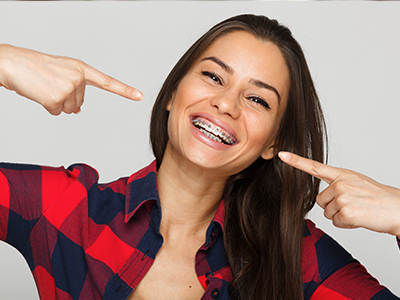
Orthodontics is the branch of dentistry that diagnoses and corrects malpositioned teeth and jaws to restore proper function and form. It treats crowding, spacing, tipped teeth, and bite discrepancies that can impair chewing, speech, and long-term tooth health. Correcting these issues improves how the mouth works and can reduce the risk of uneven wear and disease.
Orthodontic care considers the relationship between teeth, supporting bone, and soft tissues to create a stable, functional outcome. Treatment can be limited to tooth movement or include strategies to influence jaw growth in growing patients. Every plan is individualized to address both functional needs and the patient’s goals.
Properly aligned teeth make routine oral hygiene more effective because toothbrushes and floss can reach surfaces more easily, reducing plaque buildup and the risk of cavities and gum disease. Even distribution of bite forces protects enamel and restorations from localized wear and fractures, preserving long-term dental integrity. A balanced bite also reduces strain on the jaw joints and muscles, helping to alleviate headaches and jaw discomfort for some patients.
Alignment can improve soft tissue protection around the teeth, which lowers the chance of accidental trauma in active individuals. Functional improvements in biting and chewing support better nutrition and overall comfort. Maintaining alignment through retention and regular dental care is essential for lasting oral health benefits.
Contemporary orthodontics offers a range of appliances, from traditional fixed metal braces to smaller ceramic brackets and removable clear aligner systems. Each option uses controlled forces to guide teeth into new positions, but they differ in visibility, hygiene requirements, and the degree of patient participation needed. The appropriate choice depends on the complexity of the bite problem and the patient’s lifestyle and preferences.
Some cases require adjunctive devices such as expanders, temporary anchorage devices, or retainers to support specific movements or maintain results. Removable aligners are popular for their discretion and ease of cleaning, while fixed appliances are often preferred for movements that demand continuous multiaxial control. A clinician will outline which combination of appliances best meets the treatment objectives.
Diagnosis begins with a thorough clinical exam, charting of dental and periodontal status, and appropriate imaging to evaluate tooth positions and jaw relationships. Digital records, including intraoral scans and three-dimensional imaging when indicated, help clinicians visualize treatment stages and simulate expected outcomes. This diagnostic work informs a step-by-step plan that balances desired movement with long-term stability.
Planning also assesses growth potential in younger patients and coordinates with other dental needs such as restorations or periodontal therapy before movement begins. Informed consent and clear communication about goals and responsibilities are part of the planning process. A careful, evidence-based approach reduces the likelihood of surprises and supports predictable results.
Children are typically monitored during routine dental visits so emerging concerns can be identified early; an initial orthodontic evaluation is often recommended by the time permanent front teeth and first molars have erupted. Early assessment allows clinicians to detect habits, space issues, or jaw growth patterns that may benefit from interceptive measures to simplify later care. Interceptive treatment can include space maintainers, habit appliances, or guidance that reduces future complexity.
Not every child requires early intervention, but timely evaluation helps determine the most appropriate timing for treatment. When early treatment is indicated, the goal is to improve function and development in a way that supports a stable outcome as the child grows. Ongoing monitoring ensures interventions are applied when most effective.
Adults can achieve meaningful orthodontic improvements at nearly any age, and many seek treatment for functional needs, restorative planning, or cosmetic reasons. Because adults have completed skeletal growth, treatment focuses on controlled tooth movement and may need to be coordinated with restorative or periodontal care to ensure a healthy foundation. Managing gum health and existing restorations is essential before and during active orthodontic therapy.
Modern techniques and appliance options make treatment more comfortable and adaptable to adult schedules, and clinicians tailor plans to accommodate dental history and long-term goals. Careful planning considers bone support, tooth mobility, and any prior dental work to achieve stable results. The office of Royersford Dental Health can help adults explore discreet, effective options that fit their needs.
Digital tools such as intraoral scanners, computer-aided treatment setups, and three-dimensional imaging enhance diagnostic accuracy and allow clinicians to visualize phased tooth movement before treatment begins. These technologies enable precise appliance fabrication, improved bracket placement, and computerized staging for aligner therapy, which can shorten chair time and reduce adjustments. More refined materials and smaller bracket designs also increase patient comfort compared with earlier generations of appliances.
Temporary anchorage devices and optimized wire sequences permit movements that were previously slow or difficult, expanding the range of treatable problems. Technology supports clearer communication of expected outcomes and realistic timelines, helping patients participate fully in their care. Overall, digital planning and modern mechanics contribute to safer, more efficient treatment.
Active treatment typically involves regular visits for adjustments, monitoring, and progress checks to ensure movements occur as planned and oral health remains stable. Patients may experience mild, temporary discomfort after appliance activation or when changing aligner sets, which can be managed with routine self-care measures and over-the-counter analgesics when appropriate. Good oral hygiene and adherence to appliance instructions are critical to prevent complications such as decalcification or gum inflammation.
Compliance differs by appliance type: removable systems require consistent wear, while fixed appliances demand diligent cleaning around brackets and wires. Clinicians will provide tailored guidance on diet, hygiene tools, and habits to protect appliances and support efficient progress. Open communication about any issues or concerns helps the team address problems promptly.
Retention is the essential final phase of orthodontic care in which retainers help stabilize teeth while surrounding tissues adapt to their new positions. Retainers can be removable or fixed, and the recommended type and wearing schedule depend on the original problem and the nature of the movement achieved. Consistent retainer wear during the prescribed period significantly reduces the chance of relapse as soft tissues and fibers re-establish equilibrium.
Long-term monitoring with periodic dental visits allows clinicians to check retainer fit and address minor changes early. Good oral hygiene and attention to habits that might affect alignment are also important for preserving results. Retention strategies are individualized to offer the best balance between convenience and lasting stability.
Maintaining excellent oral hygiene is vital during orthodontic treatment to prevent cavities, gum inflammation, and decalcification around appliances. Patients should brush carefully around brackets and wires or clean thoroughly after meals when wearing aligners, and flossing or use of interdental brushes is recommended to remove plaque from between teeth. Regular professional cleanings and checkups remain important to monitor gum health and the condition of restorations throughout treatment.
Dietary adjustments, such as avoiding very hard or sticky foods, help protect brackets and reduce the risk of appliance damage. Using any recommended adjuncts—special flossers, fluoride rinses, or protective mouthguards for sports—supports oral health and appliance longevity. The team at Royersford Dental Health provides practical instruction and follow-up to help patients maintain a healthy, comfortable treatment experience.

Proudly Servicing Patients In:
Royersford, Phoenixville, Collegeville, Pottstown, Sanatoga and Limerick.
Services