Pediatric Dentistry
Royersford Dentist Offering Pediatric Dentistry In Royersford, Pottstown, Phoenixville, Collegeville, And Surrounding Communities.


Royersford Dentist Offering Pediatric Dentistry In Royersford, Pottstown, Phoenixville, Collegeville, And Surrounding Communities.

At Royersford Dental Health, we focus on giving children a confident start with gentle, evidence-based dental care. Our goal is to help families build lasting habits that protect teeth and support healthy development from infancy through the teen years.

Early visits set the tone for a child's relationship with dental care. We encourage parents to bring infants for a first check within the first year so caregivers can learn safe cleaning techniques, what to expect as teeth erupt, and how to avoid common pitfalls like prolonged bottle use. These appointments are brief, reassuring, and focused on prevention rather than intervention.
Our team meets each child where they are—calmly explaining steps, using age-appropriate language, and creating a welcoming atmosphere that reduces fear. Familiarizing children with sights, sounds, and routines at an early age helps future cleanings and exams feel routine rather than intimidating. A positive first impression builds trust and encourages cooperation over time.
Prevention is the cornerstone of pediatric care: fluoride varnish, sealants when appropriate, and individualized hygiene coaching are all tools we use to reduce decay risk. We partner with parents to create realistic daily routines and give clear guidance on brushing, flossing, and safe snacking so good habits become part of family life.
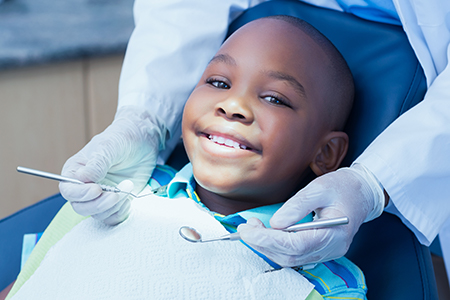
A routine pediatric exam includes a gentle, thorough evaluation of the teeth, gums, and oral tissues as well as a review of medical history and any behavioral concerns. We assess how baby and permanent teeth are developing, look for early signs of decay, and check jaw growth and bite alignment. Every visit is an opportunity to catch issues before they become problems.
Digital radiographs are used selectively and only when they add diagnostic value; they help us see between teeth and evaluate the position of unerupted permanent teeth. When X-rays are recommended, they are taken with safety and minimal exposure in mind. A professional cleaning removes plaque and polishes teeth, and we use that time to teach children effective brushing and flossing techniques.
We focus on clear, practical guidance for parents, including tips for home care, strategies for dealing with oral habits, and advice about developmental milestones. By explaining treatment needs and preventive steps in straightforward terms, we make it easier for families to take timely action and feel confident managing their child’s oral health.
Regular checkups give our team a chance to monitor changes in a child’s mouth over time. Because teeth and jaws grow quickly during childhood, small concerns can become larger if left unchecked. Consistent exams allow for early, minimally invasive treatment when necessary and reduce the likelihood of urgent problems that disrupt school and activities.
When we identify risk factors—such as heavy plaque buildup, frequent sugary snacks, or a history of cavities—we create individualized plans that combine preventive procedures with behavior-focused recommendations. This proactive stance protects teeth now and helps preserve permanent dentition for the long term.
Tooth decay remains a common childhood condition, but it is largely preventable. Cavities form when bacteria in plaque convert sugars into acids that erode enamel. Because young children may struggle with thorough brushing and are often exposed to sweetened drinks or sticky snacks, additional protections like topical fluoride and sealants are valuable tools to reduce decay risk.
We work with families to identify specific habits that increase risk, offering concrete strategies that are easy to implement at home. Small changes—such as swapping sugary sips for water between meals or encouraging protein-rich snacks—can reduce acid exposure and support stronger teeth.
Start cleaning an infant’s gums before teeth appear and introduce a soft-bristled brush as teeth emerge.
Limit sugary drinks and avoid prolonged bottle or sippy-cup use; when in doubt, choose water.
Establish brushing twice daily with age-appropriate toothpaste and supervised flossing as soon as contacts form between teeth.
Encourage weaning from pacifiers and thumb-sucking at developmentally appropriate times to avoid bite problems.
Make sure young athletes use a properly fitted mouthguard for contact or high-risk sports to protect teeth and soft tissues.

From the first tooth to the full set of primary teeth, infants and toddlers pass through predictable developmental stages. Parents often notice teething discomfort, changes in eating, or disrupted sleep—these are normal, but there are safe, effective ways to soothe little ones. Simple measures like chilled teething rings, gentle gum massage, and brief distractions are often helpful.
As teeth appear, it’s important to keep them clean and to schedule dental visits at the recommended times. Early appointments help identify any issues with eruption patterns or nursing/bottle-related decay and give families a chance to ask questions about feeding, pacifier use, and oral hygiene. Our approach is low-pressure and designed to build cooperation gradually.
When problems do arise—such as an early cavity, a chipped tooth, or persistent discomfort—we handle them with care and a focus on controlling pain and protecting developing teeth. Treatments for young children are chosen to be as conservative as possible while keeping future oral health in mind.
Facial growth and jaw development are monitored at routine visits so that any emerging alignment concerns can be identified early. Problems such as crowding, crossbites, or uneven jaw growth are easier to manage when detected while a child is still growing. Early evaluation allows families to consider interceptive strategies before more extensive treatment becomes necessary.
Although not every child will need orthodontic treatment, we work with parents to explain what to expect and when a specialist referral may be appropriate. Cooperation between general and specialty care helps ensure a smooth transition if braces, aligners, or other interventions are recommended later on.
Space maintainers and other small appliances are sometimes used to preserve room for permanent teeth after an early loss of a baby tooth. These measures can prevent more complicated alignment problems and reduce the need for invasive correction later.
During checkups we evaluate not only the teeth but also how the jaws and facial structures are growing. This includes watching for signs of mouth breathing, asymmetric growth, or habits that influence bite development. Timely observation often opens the door to less invasive, more effective solutions.
A child’s diet and daily habits have a direct effect on oral health. Frequent snacking on sticky, sugary foods increases exposure to decay-causing acids, while nutrient-rich meals support strong enamel and healthy gums. We help families translate general nutrition advice into practical choices that fit busy schedules and picky appetites.
Protecting a child’s smile during sports is another important responsibility. Well-fitted mouthguards significantly reduce the chance of dental trauma and are an easy preventive investment for active children. We can recommend the right type of mouthguard based on your child’s sport and level of play.
When harmful habits such as prolonged pacifier use, constant thumb-sucking, or excessive sugary sipping threaten healthy development, we offer supportive strategies to help children transition away from those behaviors. Positive reinforcement and age-appropriate techniques usually work best.
Encouraging balanced meals and limiting sugary beverages are among the most impactful steps families can take to protect teeth. Foods rich in calcium, phosphorus, and vitamins A and D support tooth and jaw development, while crunchy fruits and vegetables can help clear food from teeth and stimulate saliva flow.
In summary, pediatric dental care at Royersford Dental Health emphasizes prevention, education, and gentle treatment tailored to each child's needs. Our team works alongside families to build healthy routines, monitor growth, and intervene early when problems arise. Please contact us for more information about our pediatric services or to discuss how we can support your child’s oral health.

The American Academy of Pediatric Dentistry recommends a first dental visit by the time a child turns one or within six months of the first tooth erupting. Early visits are brief and focus on prevention, safe cleaning techniques, and anticipatory guidance so caregivers know what to expect as teeth emerge. At Royersford Dental Health we use that first appointment to build a positive foundation and teach parents how to reduce common risks like nursing bottle decay.
These early encounters also let the dental team assess feeding patterns, oral development, and any family history that could influence care. Establishing routine visits early makes future cleanings and exams feel familiar and reduces anxiety for both children and caregivers. When necessary, we discuss a personalized schedule based on your child’s growth and risk factors.
For most children, routine checkups and professional cleanings every six months help detect problems early and reinforce good home care habits. Children with higher decay risk, significant plaque buildup, or certain medical conditions may benefit from more frequent visits tailored to their needs. During these appointments we review oral hygiene, diet, and developmental milestones to keep care proactive.
Digital radiographs are used selectively and only when they provide diagnostic value, always with attention to minimizing exposure. Cleanings remove plaque and polish teeth while giving clinicians a chance to reinforce brushing and flossing techniques. Regular monitoring makes it easier to provide minimally invasive care when treatment is needed.
Preventive pediatric care typically includes topical fluoride applications, dental sealants on appropriate molars, and individualized hygiene coaching to lower decay risk. Fluoride varnish strengthens enamel and is applied quickly during routine visits, while sealants create a physical barrier on chewing surfaces where decay often starts. Both approaches are evidence-based and effective when combined with good daily habits.
We also work with families to identify specific behaviors that increase risk, such as frequent sugary drinks or prolonged bottle use, and to create realistic strategies for change. Small adjustments like offering water between meals and supervising brushing can make a large difference. Prevention is most successful when clinical measures are paired with consistent home routines.
Begin cleaning an infant’s gums before teeth appear using a soft cloth and progress to a soft-bristled brush as teeth erupt, using a rice-sized smear of fluoride toothpaste for children under three when advised. Gentle gum massage and chilled (never frozen) teething rings often relieve discomfort, and brief distractions can help during fussy periods. For persistent pain or feeding difficulties parents should consult their pediatrician or dentist for guidance.
Early dental visits provide tailored advice about feeding, pacifier use, and safe oral care practices that fit your family. The dental team can demonstrate techniques, answer feeding questions, and monitor eruption patterns to catch any concerns early. When treatment is necessary, we prioritize conservative approaches that protect developing teeth and control discomfort.
Thumb-sucking and pacifier use are normal self-soothing behaviors in infants and young children, but if they continue past the preschool years they can affect bite development. Gentle, positive strategies—such as offering alternatives, using praise for short-term progress, and establishing gradual limits—are typically effective. Avoid punitive measures and focus on encouragement and age-appropriate change.
If a habit persists beyond age 3 to 4 or if signs of changing bite alignment appear, your dentist can evaluate the potential impact and recommend next steps. In some cases simple habit reminders or appliance-based interventions may be discussed to prevent more significant orthodontic concerns later. Early communication and consistent guidance help most children transition away from these habits.
Facial growth and tooth eruption are monitored at routine dental visits so that any emerging alignment issues can be identified early. A screening evaluation by age 7 is commonly recommended because by that age the first permanent molars and incisors have typically erupted and potential problems like crowding or crossbites are easier to spot. Early assessment allows the dental team to determine whether interceptive measures could reduce the need for complex treatment later on.
Not every child requires early orthodontic treatment, but timely referrals to a specialist are made when growth patterns or bite problems warrant further evaluation. Coordination between the general dentist and orthodontist supports smoother transitions and more predictable outcomes. When appliances such as space maintainers are indicated, they are selected to preserve room for permanent teeth and guide healthy development.
Reducing dental anxiety starts with a welcoming environment, clear communication, and behavior guidance techniques such as tell-show-do, positive reinforcement, and gradual exposure to instruments and procedures. Staff are trained to explain steps in age-appropriate language and to use distraction or relaxation strategies that help children feel more comfortable. For many patients these methods build trust and cooperation over successive visits.
When additional support is needed, options such as nitrous oxide or referral for specialized behavior management are discussed with parents to ensure safety and comfort. The goal is always to choose the least invasive, most supportive approach that meets the child’s emotional and clinical needs. Open communication between caregivers and the dental team helps create a consistent plan that reduces fear over time.
Mouthguards are a simple and effective way to reduce the risk of dental injury during contact and high-risk sports, and a properly fitted appliance provides the best protection. Custom mouthguards made by your dental office offer superior fit, comfort, and retention compared with most over-the-counter options, and they can be tailored to a child’s growth and dental development. We evaluate sport type and level of play when recommending the most appropriate guard.
Wearing a mouthguard consistently during practice and competition is the most important factor in preventing trauma. The dental team can help with fitting, care instructions, and replacement timing as a child grows or if the guard becomes worn. Protecting teeth early avoids preventable injuries that can affect appearance, function, and long-term oral health.
Diet and daily behaviors directly affect the risk of tooth decay and the strength of developing teeth. Frequent consumption of sugary or sticky snacks increases acid exposure and decay risk, while balanced meals rich in calcium, phosphorus, and vitamins support enamel formation and jaw growth. Encouraging water between meals, limiting juice and sugary beverages, and offering tooth-friendly snacks can substantially reduce cavities.
Daily oral hygiene—brushing twice a day with appropriate fluoride toothpaste and supervised flossing when contacts form—complements dietary measures and greatly improves outcomes. The dental team provides practical, age-appropriate guidance so healthy choices fit into busy family routines. Small, consistent changes at home produce the most lasting benefits.
In the event of a dental injury, prompt attention helps protect long-term outcomes. For a knocked-out permanent tooth, find the tooth, handle it by the crown only, rinse gently if dirty, and attempt to reinsert it or keep it moist in milk or saline while seeking immediate dental care. For a chipped or fractured tooth, rinse the mouth and apply a cold compress to control swelling, then contact your dental provider for an urgent evaluation.
Primary (baby) teeth that are injured may not be replanted, but timely assessment is important to manage pain, check for damage to the developing permanent tooth, and determine next steps. If you are unsure whether an injury is urgent, contact your dental office for guidance and transportation to receive prompt professional care. Royersford Dental Health can advise families on immediate measures and arrange timely treatment to protect a child’s smile.

Proudly Servicing Patients In:
Royersford, Phoenixville, Collegeville, Pottstown, Sanatoga and Limerick.
Services