Periodontal Treatment
Royersford Dentist Offering Periodontal Treatment In Royersford, Pottstown, Phoenixville, Collegeville, And Surrounding Communities.


Royersford Dentist Offering Periodontal Treatment In Royersford, Pottstown, Phoenixville, Collegeville, And Surrounding Communities.

Gum disease is the leading cause of tooth loss for adults, yet much of it can be prevented or managed when detected early. Recent public-health data show periodontal conditions are extremely common among adults, which makes understanding the signs, risks, and options for care vitally important. At the office of Royersford Dental Health, we focus on protecting and restoring gum health so patients can keep strong teeth and comfortable mouths for years to come.
Healthy gums are more than a cosmetic asset — they are the foundation that keeps teeth anchored and functioning. The tissues around each tooth form a protective seal that resists bacterial invasion; when that seal breaks down, the bacteria beneath the gumline trigger inflammation that can damage both soft tissue and the bone that supports teeth. Left unchecked, this process can lead to loose teeth, shifting bites, and the need for more invasive interventions.
Beyond the mouth, scientific research increasingly links chronic gum inflammation to broader health concerns. While causation is complex, clinicians recognize that uncontrolled periodontal inflammation can complicate systemic conditions and, conversely, certain medical issues can worsen gum disease. This two-way relationship underscores why routine dental care and early treatment are essential components of overall health.
Managing periodontal disease starts with accurate diagnosis and a clear plan. Our approach emphasizes precise assessment of pocket depths, tissue health, and bone levels so that treatment can be targeted and effective. When patients understand what is happening beneath the gums, they can make informed choices about the steps needed to halt disease and protect long-term oral health.
Gum disease often begins quietly. Early-stage inflammation can be subtle — a little bleeding when you brush, gums that look a shade darker than usual, or persistent bad breath. Because discomfort is not always present, many people delay care until visible or functional changes occur. Regular dental visits help catch those early warning signs before the condition advances.
Pay attention to changes you might otherwise dismiss. Common indicators that merit an evaluation include:
Red, swollen, or tender gums
Bleeding during brushing or flossing
Recession of the gum line exposing tooth roots
Heightened sensitivity to hot or cold
Persistent oral odor or unpleasant taste
Looseness or shifting of teeth and changes in how partial dentures fit
New spaces developing between teeth or changes in your bite
Discharge or pain around the gums while chewing
If you notice one or more of these signs, scheduling an evaluation can clarify whether those symptoms reflect reversible inflammation or a more advanced condition that requires deeper intervention.
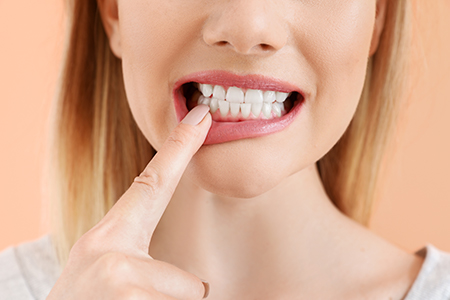
Gum disease progresses along a spectrum. Gingivitis is the early, reversible stage characterized primarily by inflammation of the gum tissues without loss of attachment to the tooth. With good oral hygiene and professional cleanings, gingivitis can typically be resolved and the gums can return to a healthy state. Recognizing gingivitis early is the most effective way to avoid long-term consequences.
When inflammation is allowed to continue, it can evolve into periodontitis — a more destructive stage where the connective tissues and bone that stabilize teeth are affected. As periodontal pockets deepen and bone loss occurs, the structural support for teeth diminishes. Treatments at this stage focus on stopping tissue breakdown and, when possible, promoting regeneration to restore lost support.
Accurate staging of periodontal disease is critical because it determines the treatment pathways that are most appropriate. Clinical measurements, radiographs, and a careful review of medical history all play a role in forming a tailored plan that addresses both current damage and future risk.

Modern periodontal care ranges from conservative, non-invasive therapies to surgical procedures when deeper repair is required. The first line of treatment for most patients is focused on reducing the bacterial load beneath the gums and helping the body resolve inflammation. This often begins with thorough professional cleaning combined with a reinforced home-care routine to prevent re-accumulation of plaque and tartar.
When pockets are too deep for routine cleanings to reach, scaling and root planing — a targeted deep-cleaning technique — is typically used to remove bacteria and smooth root surfaces so tissues can reattach more readily. Adjunctive therapies, such as localized antimicrobial agents, may be used selectively to support healing and reduce pathogenic bacteria in hard-to-reach areas.
For cases where structural damage has progressed, surgical procedures can restore a healthier environment and, in many instances, rebuild lost tissue. Advances in surgical techniques, including minimally invasive approaches and the selective use of lasers, have improved outcomes and recovery. Reconstructive options such as bone grafts and soft-tissue grafts are available to restore contour, reinforce support for teeth, and create a more favorable foundation for future dental work.
When periodontal problems are identified early, conservative measures are often effective. Scaling and root planing remove subgingival plaque and calculus, and a focused home-care protocol supports tissue healing. Education on brushing technique, interdental cleaning, and routine maintenance visits are integral components of non-surgical care.
The objective of conservative therapy is to reduce pocket depth, lower bacterial numbers, and resolve inflammation without the need for incisions or extensive recovery time. Many patients respond very well to these measures when combined with consistent follow-up.
Adjunctive treatments, such as localized antimicrobials or systemic medications in select cases, may be recommended to manage persistent infection or influence specific bacterial populations. These options are chosen based on the individual’s clinical presentation and overall health.
Surgery is considered when non-surgical therapy cannot adequately reduce pocket depths or when anatomic factors limit access to diseased root surfaces. Periodontal surgery allows clinicians to visualize and clean root surfaces thoroughly, reshape supporting bone, and position tissues to promote improved hygiene and long-term stability.
Regenerative techniques aim to rebuild lost bone and attachment using grafts, barrier membranes, or biologic modifiers. These procedures can restore function and improve prognosis for teeth that otherwise would be at greater risk of loss.
Post-surgical maintenance and careful monitoring are essential for long-term success. When combined with disciplined home care and periodic professional maintenance, surgical and regenerative therapies can offer durable results.

Periodontal care does not end when treatment does — long-term maintenance is the cornerstone of lasting results. Once inflammation is controlled, individualized recall visits are scheduled to monitor tissue stability, remove new deposits of plaque and tartar, and reinforce home-care habits. These maintenance visits are tailored to each patient’s risk level and clinical needs.
Successful periodontal maintenance combines consistent daily care at home with professional oversight. Patients who commit to regular cleanings, accurate brushing and interdental cleaning, and routine assessments greatly improve their chances of preserving natural teeth and minimizing future interventions.
Our team at the office of Royersford Dental Health works with each patient to create a realistic, sustainable plan that fits their lifestyle and oral-health goals. If you have concerns about bleeding gums, loose teeth, or any other signs of periodontal disease, we encourage you to arrange an evaluation so we can outline appropriate next steps.
In summary, periodontal disease is common but manageable when identified early and treated with a clear, evidence-based plan. From gentle preventive measures to advanced surgical and regenerative procedures, modern periodontal care offers reliable paths to protect and restore gum health. Contact us to learn more about periodontal treatment options and how we can help you maintain a healthy, comfortable smile.

Periodontal treatment refers to the range of therapies used to prevent, halt, and repair gum disease at its various stages. It addresses conditions from reversible gingivitis to more advanced periodontitis that affect the attachment apparatus and supporting bone. The primary goals are to reduce harmful bacterial levels, resolve inflammation, and preserve or restore the tissues that support natural teeth.
At Royersford Dental Health, assessment guides a personalized plan that may include professional cleanings, targeted non-surgical therapy, or surgical and regenerative procedures when necessary. Treatment is staged to match disease severity and the patient’s overall health, with long-term maintenance to protect results. Patient education and consistent home care are essential components of any successful periodontal program.
Gum disease often begins with subtle symptoms that people may dismiss as temporary. Early warning signs include gums that bleed during brushing or flossing, persistent bad breath, redness, and swelling around the gumline. Because pain is not always present, routine dental exams are important for catching problems before they progress.
Advanced disease can cause gum recession, exposed tooth roots, increased sensitivity, loose or shifting teeth, and changes in how partial dentures or other appliances fit. Any discharge, ongoing discomfort when chewing, or new spacing between teeth warrants an evaluation. Reporting these changes promptly helps clinicians detect progression early and tailor appropriate care.
Diagnosis begins with a comprehensive clinical exam and a review of medical history and risk factors such as smoking and diabetes. Clinicians measure pocket depths with a periodontal probe, assess bleeding on probing and attachment levels, and evaluate soft-tissue health. Radiographs are used to visualize bone levels and identify areas of loss that may not be obvious on the surface.
Additional assessments can include tooth mobility testing, evaluation of bite relationships, and review of medications that influence gum health. Combining clinical measurements with imaging allows accurate staging of disease and development of a targeted treatment plan. Periodic reassessment during therapy helps determine response and next steps.
Non-surgical periodontal therapy focuses on removing bacterial deposits and creating conditions that allow gum tissues to heal. The cornerstone is scaling and root planing, a deep cleaning that removes plaque and calculus from below the gumline and smooths root surfaces to encourage reattachment. Adjunctive measures may include localized antimicrobials, medicated rinses, or short courses of systemic medications in selected cases.
Personalized home-care instruction, improved brushing and interdental cleaning techniques, and scheduled maintenance visits are equally important to prevent recurrence. Many patients respond well to conservative therapy when combined with consistent follow-up and risk-factor management. If therapeutic goals are not met, clinicians may recommend surgical options to gain access or regenerate lost support.
Surgery is considered when deep periodontal pockets, persistent infection, or anatomic challenges prevent adequate cleaning by non-surgical methods. Common procedures include flap surgery to improve access for cleaning, pocket reduction, and reshaping supporting bone to create a healthier environment. Surgical access allows precise removal of diseased tissue and decontamination of root surfaces.
Regenerative techniques such as bone grafts, soft-tissue grafts, barrier membranes, or biologic modifiers may be used to rebuild lost support when appropriate. Minimally invasive approaches and selective use of lasers can reduce discomfort and improve healing for many patients. Post-surgical maintenance and careful monitoring are essential to preserve treatment gains and promote long-term stability.
Scientific evidence links chronic periodontal inflammation with systemic health concerns, although direct causation is complex and varies by individual. Uncontrolled gum disease can increase the body’s inflammatory burden and may complicate management of conditions such as diabetes and cardiovascular disorders. Addressing periodontal inflammation is often an important component of a patient’s broader medical care plan.
Dental clinicians coordinate with medical providers when appropriate to manage shared risk factors and optimize outcomes. Maintaining gum health reduces chronic inflammatory stimulus and can support overall well-being and response to other therapies. Patients with significant medical conditions should share their health history so periodontal care can be planned safely and effectively.
Recovery depends on the type and extent of treatment but commonly includes temporary sensitivity, mild swelling, and dietary adjustments for a short period after therapy. Clinicians provide specific postoperative instructions covering gentle oral hygiene, pain management, and warning signs that require prompt attention. Following these guidelines and attending scheduled follow-ups supports proper healing and reduces complications.
Long-term success depends on a customized maintenance schedule that may range from three-month intervals to longer spans based on individual risk and treatment response. Regular professional cleanings, reassessment of pocket depths, and reinforcement of home-care habits are central to preventing recurrence. Patients who adhere to maintenance plans are more likely to preserve natural teeth and experience fewer emergency interventions.
In many cases clinicians can promote regeneration of bone and soft tissue using modern reconstructive techniques, but outcomes depend on defect size, patient health, and infection control. Regenerative options include bone grafting, guided tissue regeneration with barrier membranes, and biologic modifiers that stimulate healing. Soft-tissue grafts can restore gum contour, cover exposed roots, and reduce sensitivity in areas of recession.
Not every defect is fully restorable, and clinicians set realistic expectations based on diagnostic findings and the patient’s commitment to maintenance. Successful regeneration requires precise technique, control of infection, and strict adherence to postoperative care. When full regeneration is not feasible, treatment can still stabilize disease and preserve function using alternative restorative strategies.
Lifestyle factors strongly affect both the development of periodontal disease and the outcome of treatment. Tobacco use, poor glycemic control in diabetes, inadequate oral hygiene, certain medications, and chronic stress all increase the risk of progression. Modifying these factors generally improves treatment response and reduces the likelihood of recurrent disease.
Dental teams work with patients to develop realistic behavior-change strategies, including resources for smoking cessation and coordination with medical providers to manage systemic risks. Nutrition, sleep quality, and alcohol moderation also support immune function and tissue repair. A combined approach addressing clinical therapy and lifestyle modification produces the best long-term results.
The team at Royersford Dental Health provides periodontal care that combines experienced clinicians, modern diagnostic tools, and a focus on individualized treatment planning. Our practice emphasizes accurate staging, evidence-based therapies, and thorough maintenance to protect long-term oral health. We work with patients to align treatment with their overall health and daily routines to make care sustainable.
Patients benefit from an integrated approach that ranges from conservative therapy to advanced surgical and regenerative options when clinically indicated. Clear communication about diagnosis, realistic outcomes, and follow-up scheduling helps patients stay engaged and informed throughout their care. If you have concerns about bleeding gums, loose teeth, or persistent oral symptoms, we encourage you to arrange an evaluation to explore appropriate next steps.

Proudly Servicing Patients In:
Royersford, Phoenixville, Collegeville, Pottstown, Sanatoga and Limerick.
Services